We all want our kids to succeed, but what happens when the future is anything but predictable? Between rapid tech changes, job market shifts, and global issues like climate change, students today face a world full of unknowns.
That’s where resilience steps in. It’s not just about bouncing back after failure—it’s about growing stronger because of it. Teaching resilience in schools has become as essential as teaching math or reading. So, how exactly do we do that? Let’s cut in.
Meaning
First off, what is resilience really? It’s the ability to adapt and thrive in the face of challenges, change, or stress. For students, that might mean bouncing back after a bad grade, staying calm during peer pressure, or managing stress when things don’t go as planned.
Resilience is more than just “toughing it out.” It’s a mix of emotional strength, positive mindset, and the ability to problem-solve under pressure.
Importance
Why should we care about resilience in education? Because life isn’t a straight path—it’s full of curves and bumps. Resilient students are better equipped to face academic setbacks, peer conflicts, and the ups and downs of growing up.
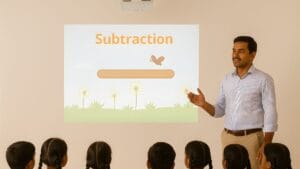
Plus, they’re more likely to stay motivated, make good decisions, and handle future work or life stress. In a way, teaching resilience is like future-proofing their emotional toolkit.
Classroom
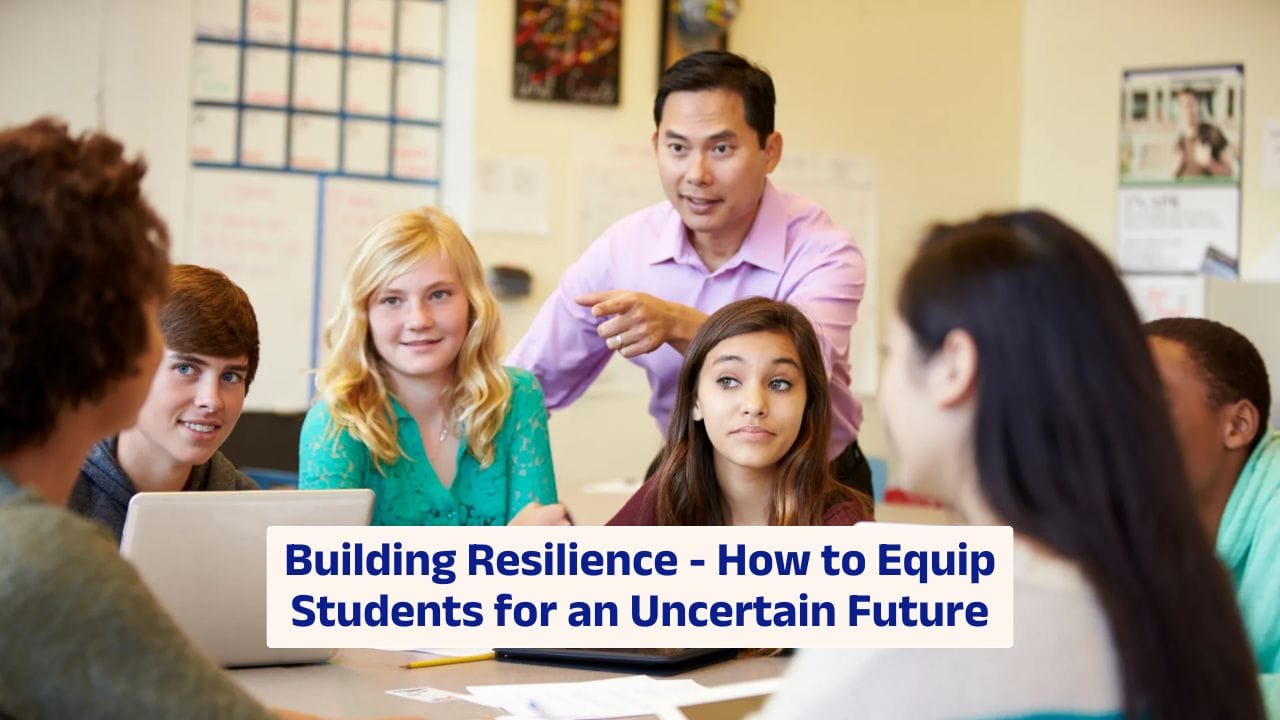
Now let’s get practical—how do we actually teach resilience in the classroom? It starts with the environment. A supportive classroom where mistakes are seen as learning opportunities is key.
Teachers can model resilient behavior by showing how they handle their own setbacks. Encouraging student-led problem solving, group discussions, and regular reflections also helps. It’s all about creating space where students feel safe to fail, learn, and try again.
Mindset
One of the most powerful tools for building resilience is cultivating a growth mindset. This is the belief that abilities can be developed through effort and learning. When students believe their intelligence isn’t fixed, they’re more likely to push through challenges. Teachers can foster this mindset by praising effort instead of outcomes and reminding students that failure is just a stepping stone to success.
Skills
Resilience isn’t something kids either have or don’t—it’s a skill they can learn. And like any skill, it improves with practice. Some core resilience-building skills include:

- Emotional regulation
- Goal setting
- Problem solving
- Self-awareness
- Positive self-talk
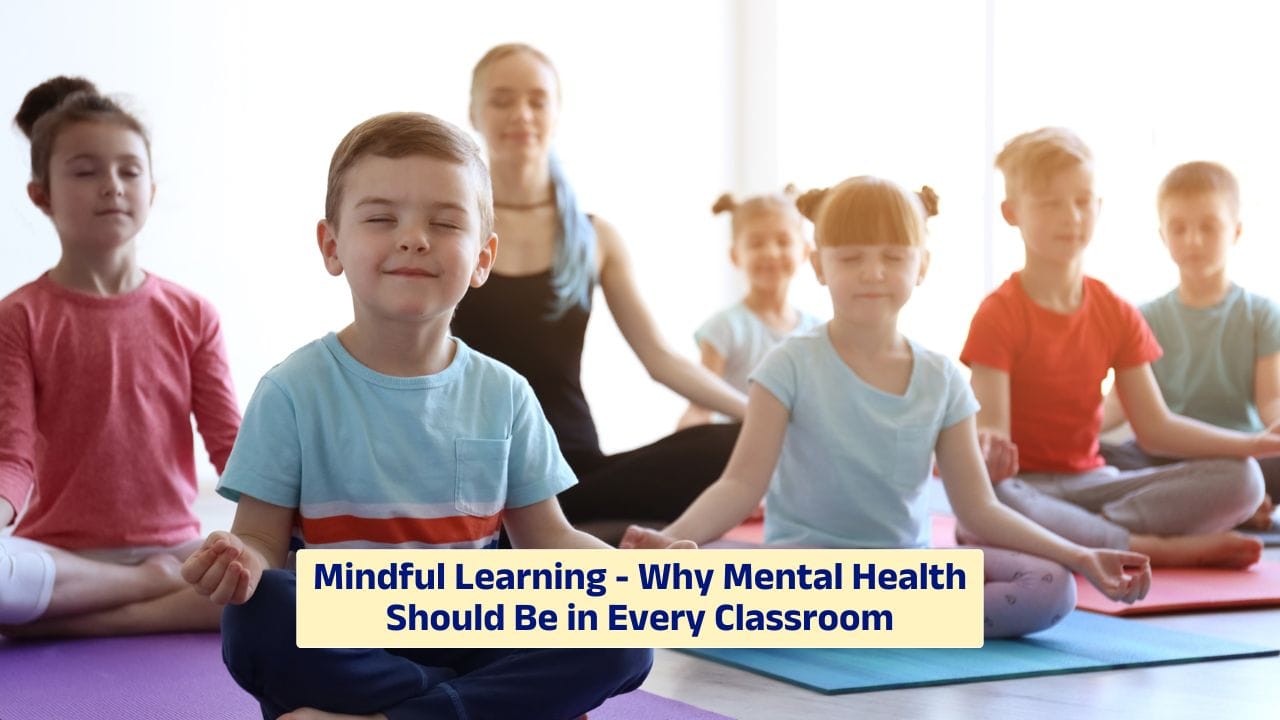
These can be taught through activities like journaling, mindfulness exercises, group projects, and even role-playing real-life scenarios.
Support
It takes a village to raise a resilient child. Teachers play a big role, but so do parents, mentors, and peers. Schools can provide training for staff to recognize signs of stress or anxiety and support students accordingly.
Bringing in counselors, offering mental health programs, or even creating resilience workshops can make a big difference. When students feel supported by a community, they’re more likely to take healthy risks and grow from failure.
Technology
Interestingly, technology can both help and hurt resilience. Social media and instant gratification culture can reduce patience and increase anxiety.
But when used right, tech can also build resilience. Apps that promote mindfulness, digital journaling platforms, or games that involve strategy and persistence can reinforce key skills. The key is to use tech intentionally—not as a crutch, but as a tool.

Future
The truth is, we don’t know what jobs will look like in 20 years. Automation, AI, and climate shifts are rewriting the rulebook. So, instead of teaching kids what to think, we need to teach them how to think, adapt, and grow. Resilience is the foundation for that kind of flexible thinking. It gives students the confidence to face uncertainty with curiosity rather than fear.
Here’s a quick breakdown of how resilience can shape future-ready students:
| Skill | Impact on Future Readiness |
|---|---|
| Emotional control | Handles stress in high-pressure roles |
| Problem-solving | Adapts quickly to change |
| Self-confidence | Takes risks and explores opportunities |
| Growth mindset | Lifelong learning and adaptability |
| Social support | Builds strong personal networks |
Resilience doesn’t show up overnight, and it’s not something you tick off a checklist. It’s a lifelong habit—and school is the perfect place to plant the seed. By teaching kids how to navigate the messy, unpredictable side of life, we’re giving them something way more valuable than grades: grit, grace, and the mindset to thrive in whatever future comes their way.
FAQs
What is student resilience?
It’s a student’s ability to adapt to challenges and setbacks.
Why is resilience important in school?
It helps students handle stress, failure, and change positively.
Can resilience be taught in class?
Yes, through mindset training, reflection, and support activities.
How does growth mindset build resilience?
It teaches students that effort leads to improvement over time.
Does tech help or hurt resilience?
It can do both—depending on how it’s used.