In a world that’s evolving faster than ever, what it means to be “literate” is also changing. It’s no longer just about reading books or writing essays. Today, literacy stretches far beyond paper and ink.
We’re talking about a new kind of fluency — one that includes coding languages, environmental awareness, and the ability to question what we see and hear. These three elements — coding, climate, and critical thinking — are quickly becoming the essential skill set for thriving in the modern world.
Coding
Let’s start with coding — the new literacy of the digital age. Imagine trying to function in a world where you couldn’t read any signs or labels. That’s what it’s like to navigate today’s tech-driven society without understanding the basics of coding. From apps to websites to smart devices, code is everywhere.
Even if you’re not aiming to become a software engineer, learning the logic behind code builds problem-solving skills, enhances creativity, and boosts your confidence in using technology. Platforms like Scratch, Python, and JavaScript aren’t just for tech whizzes anymore — they’re for kids, parents, artists, and even business owners.
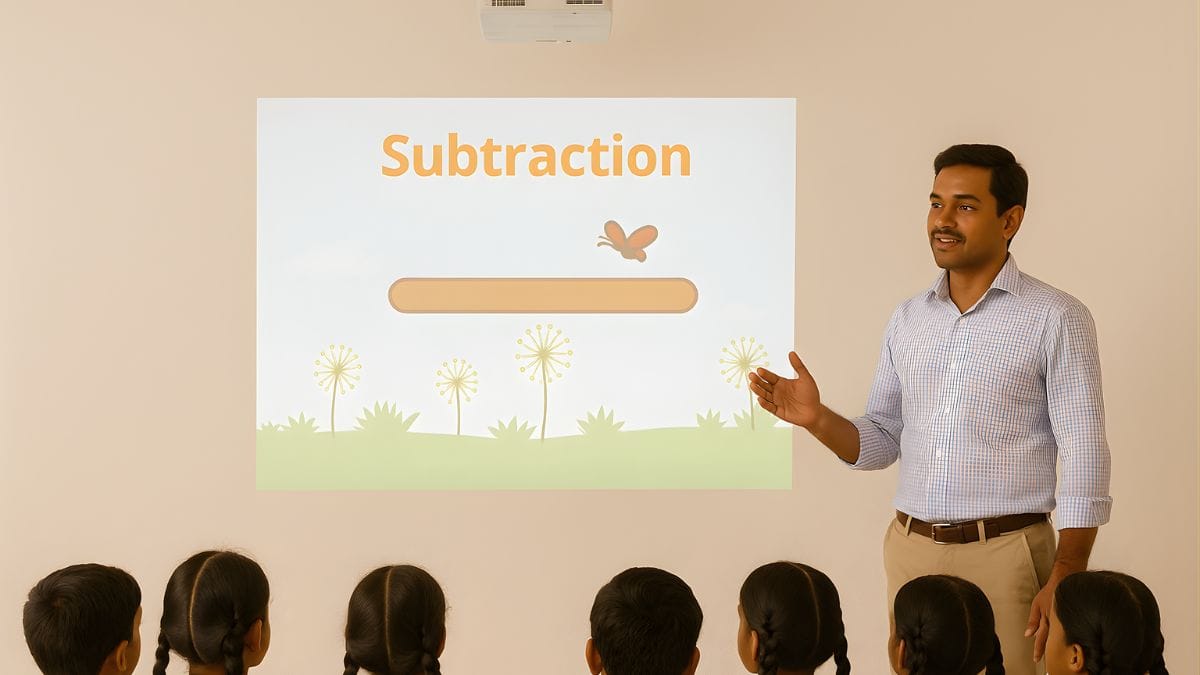
More schools are catching on and introducing coding lessons early, some even starting in elementary grades. And here’s the cool part: coding teaches you how to think — step by step, logically, and creatively. It’s not just about writing commands; it’s about breaking problems into bite-sized pieces and solving them one by one.
Climate
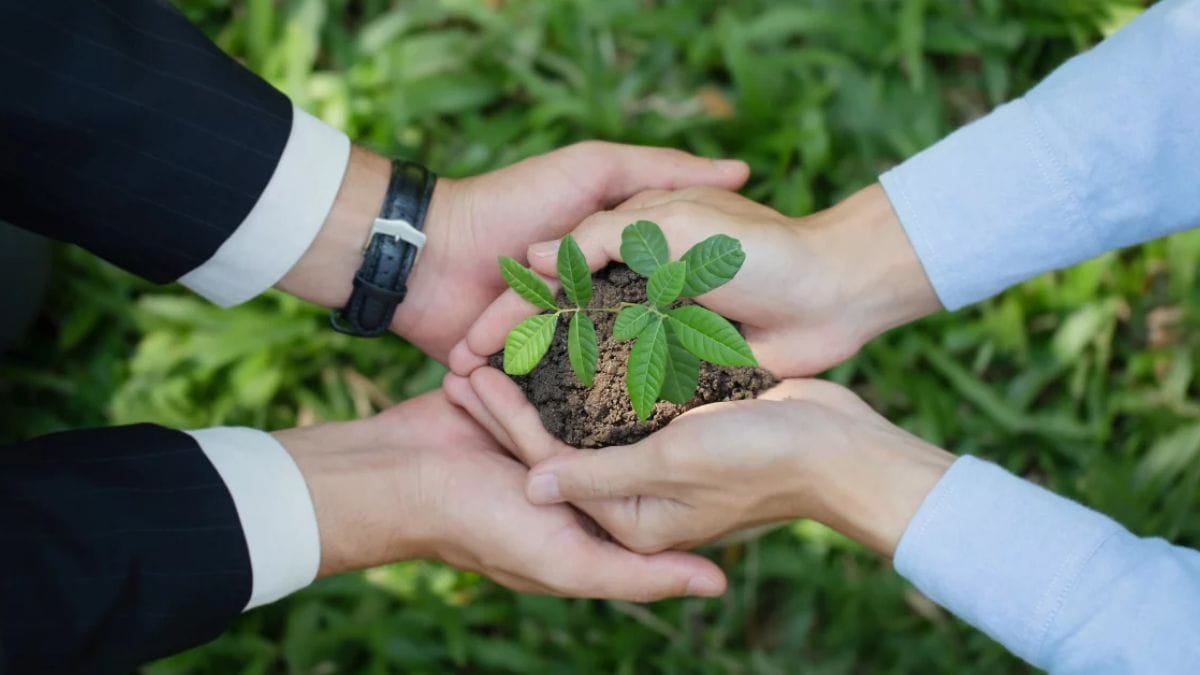
Then there’s climate literacy — the understanding of how our environment works and what role we play in it. This isn’t just for scientists or activists anymore. In fact, it’s becoming crucial for everyone, from consumers to CEOs.
Why? Because climate change is impacting everything — the food we eat, the air we breathe, the jobs we have, and even the homes we live in. Knowing about renewable energy, sustainability, carbon footprints, and conservation practices can help you make smarter, more informed decisions every day.
Young people especially are stepping up. From school strikes to climate campaigns, they’re demanding that climate education be part of the curriculum. And they’re right. If we’re going to tackle global challenges, we need citizens who understand the science and care enough to act.
Thinking
Now, let’s talk about the third piece of this future literacy puzzle: critical thinking. We’re bombarded with information 24/7 — tweets, posts, headlines, opinions, and so-called “facts.” The ability to pause, question, and analyze is more important than ever.
Critical thinking means not taking everything at face value. It’s about asking, “Who’s saying this?”, “Why are they saying it?”, and “What’s the evidence?” Whether you’re watching the news, scrolling through TikTok, or chatting with friends, these skills help you navigate the noise.
Schools are now putting more focus on inquiry-based learning — encouraging students to think, not just memorize. And employers are hunting for people who can solve problems creatively, communicate clearly, and collaborate well.
So, whether you’re aiming for college, launching a startup, or just figuring life out, critical thinking is your best sidekick.
Skills
Let’s take a quick look at how these three literacies compare and complement each other:
| Skill Area | Why It Matters Today | Real-Life Examples |
|---|---|---|
| Coding | Builds logic and tech confidence | Creating websites, apps, automating tasks |
| Climate | Drives sustainable choices and awareness | Reducing waste, eco-friendly decisions |
| Critical Thinking | Helps filter information and solve problems | Analyzing news, decision-making |
Together, they build a well-rounded, future-ready human being.
Future
The literacy of tomorrow isn’t found in just one subject. It’s in the mix — the blend of technical know-how, environmental knowing, and sharp thinking. As the world shifts, those who adapt will lead. Those who understand how tech works, care about the planet, and think independently are the ones who’ll shape the future.
That’s why schools, educators, and even parents need to rethink what they’re teaching. It’s not about choosing between math or reading anymore. It’s about adding new layers of learning — ones that mirror the real challenges and tools of the 21st century.
Whether you’re a student, teacher, or lifelong learner, embracing these new literacies isn’t just smart — it’s essential. It’s how we prepare ourselves, and the next generation, for a world that doesn’t just change — it evolves daily.
FAQs
Why is coding a modern literacy?
Because it teaches problem-solving and tech fluency.
What is climate literacy?
Understanding how the environment works and our impact on it.
Why teach critical thinking early?
It helps kids analyze, question, and make better decisions.
Can coding help in non-tech jobs?
Yes, it boosts logic, creativity, and digital confidence.
How do these literacies connect?
They work together to build a future-ready mindset.