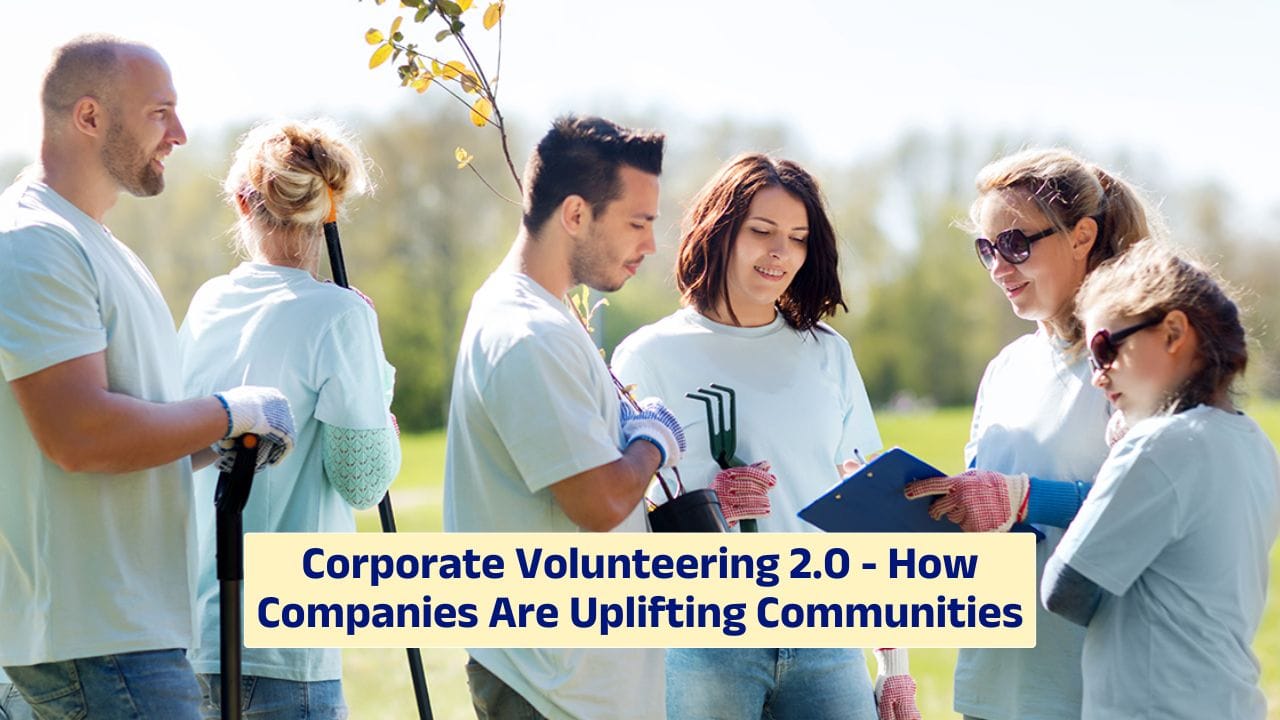
Corporate volunteering has come a long way from the occasional charity drive or holiday food donation. Today’s companies are taking a deeper, more strategic approach to giving back—what many call “Corporate Volunteering 2.0.”
It’s not just about doing good for the sake of it; it’s about making a real difference in communities while boosting employee morale, engagement, and even brand reputation. So how exactly are businesses stepping up? Let’s cut in.
Evolution
In the past, corporate volunteering often meant a single day of service or fundraising for a local cause. While that’s still valuable, companies now want lasting impact. Corporate Volunteering 2.0 is more about long-term partnerships with nonprofits, skill-based volunteering, and empowering employees to lead initiatives. It’s a move from checkbox charity to authentic community building.
Purpose
Today’s workforce—especially millennials and Gen Z—want more than just a paycheck. They crave purpose. Companies that offer meaningful volunteer opportunities tap into this desire.
Whether it’s mentoring youth, helping small businesses grow, or tackling climate change, employees feel more connected when their work aligns with something bigger than themselves. And guess what? Purpose-driven employees stick around longer.
Skills
One of the smartest changes in this new era is skill-based volunteering. Instead of just painting walls or cleaning parks, professionals are using their talents—like marketing, finance, or IT—to help nonprofits thrive.
Imagine a tech employee building a website for a local shelter or an accountant helping a nonprofit manage its books. It’s a win-win: nonprofits get expert help, and employees grow their own skills in new, meaningful ways.
Engagement
Volunteering together builds stronger teams. Whether it’s organizing a food drive or mentoring students, these experiences foster trust and collaboration outside of the usual work setting.
Companies that support volunteer programs see better teamwork, communication, and overall morale. Employees return to work more motivated, more grateful, and more united.
Flexibility
Not everyone can take a day off to volunteer. That’s why flexible programs are gaining ground. Virtual volunteering, micro-volunteering (like writing letters to seniors), or team volunteering over the weekend—these options allow everyone to get involved on their own terms. The more accessible the program, the higher the participation.

Impact
The best programs are those that measure results. Corporate volunteering 2.0 is focused on impact—both social and internal. Companies are tracking volunteer hours, community outcomes, and even employee satisfaction.
They’re asking questions like: How many people did we help? What skills did employees develop? What changed in the community? This data helps businesses make smarter decisions and continuously improve their outreach.
Here’s a quick comparison of traditional vs. modern corporate volunteering:
| Feature | Traditional Volunteering | Volunteering 2.0 |
|---|---|---|
| Style | One-off events | Ongoing partnerships |
| Skills used | General/manual | Professional/expert |
| Employee role | Passive participants | Active leaders |
| Flexibility | Fixed schedule | Virtual and flexible |
| Impact measurement | Minimal | Data-driven |
Reputation
Companies that give back build trust with customers, investors, and partners. In a world where social responsibility is a top concern, doing good can also be good business. People want to support brands that reflect their values. Corporate volunteering shows that a company walks the talk and genuinely cares.
Leadership
Good volunteering programs don’t just happen. They need support from the top. When leaders not only approve these initiatives but also take part in them, the culture shifts. Employees are more likely to get involved when they see executives volunteering shoulder to shoulder with them. It sends a powerful message: giving back is part of who we are.

Future
As we look ahead, corporate volunteering will only get more innovative. Think of AI-driven volunteer matching, real-time impact tracking, and global volunteering platforms. Companies will continue to align social impact with business goals, creating sustainable, meaningful change.
Corporate volunteering 2.0 is no longer just a nice-to-have—it’s a must-have for any forward-thinking business. By investing in their communities, companies are also investing in their people, their values, and their long-term success. It’s not charity. It’s smart, strategic, and deeply human.
FAQs
What is Corporate Volunteering 2.0?
It’s a strategic, skill-based approach to volunteering.
Why do companies support volunteering?
To boost engagement, purpose, and community impact.
What is skill-based volunteering?
Employees use their expertise to help nonprofits grow.
Can employees volunteer virtually?
Yes, flexible and remote options are widely available.
How is volunteering measured today?
Companies track hours, impact, and engagement data.