We often think of social good as simple acts of kindness—donating clothes, volunteering at a shelter, or helping a neighbor. But there’s more going on beneath the surface. Turns out, doing good isn’t just “nice”—it’s backed by science.
From brain chemistry to economic impact, social good has measurable benefits that ripple through individuals and communities. So what really happens when we do good? Let’s cut into the science behind it.
Biology
Doing something kind feels good for a reason. That warm, fuzzy feeling you get after helping someone? It’s your brain rewarding you.
When you engage in acts of kindness or generosity, your brain releases feel-good chemicals like dopamine, serotonin, and oxytocin. This cocktail not only boosts your mood, but also lowers stress and anxiety. Scientists call this the “helper’s high.”
And it’s not just short-term. Regular acts of social good can actually improve your mental and physical health. Studies have found links between volunteering and lower blood pressure, longer lifespans, and reduced depression.
Psychology
Social good also shapes how we think and feel about ourselves and others. Helping people builds empathy. When you connect with someone’s needs, your brain creates neural pathways that increase your ability to care, relate, and understand.
It also strengthens your identity. People who see themselves as contributors to society are often more confident, optimistic, and resilient. They develop a stronger sense of purpose—and that purpose becomes a motivator for everything else they do.
In short, giving back doesn’t just change the world. It changes you.
Community
Now zoom out a little. What happens when lots of people engage in social good?
Communities grow stronger. Neighbors become friends. Trust increases. People feel safer, more supported, and more connected. That’s not just a nice bonus—it’s essential for solving bigger challenges like poverty, inequality, and public health.

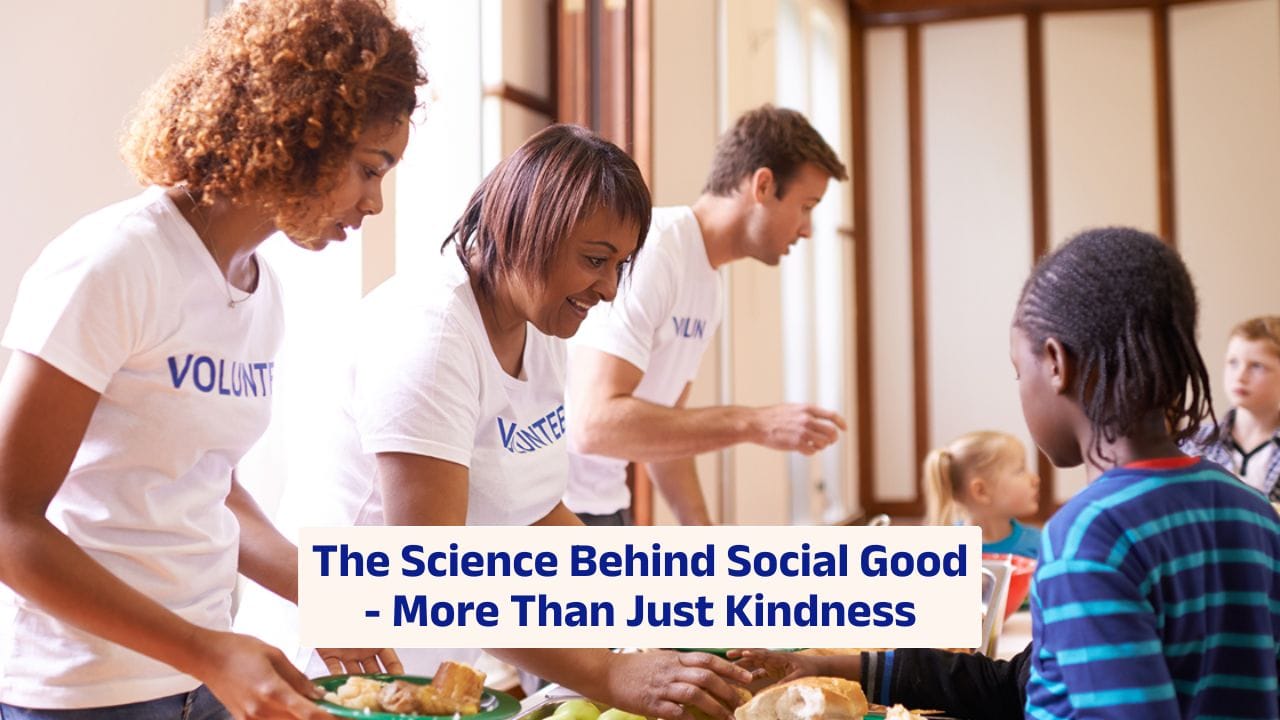
Social good acts like social glue. Whether it’s food drives, tutoring programs, or mutual aid networks, these actions bring people together, building networks of care that keep communities resilient in hard times.
Economy
You might not think of kindness as an economic force—but it is.
Volunteerism alone contributes billions to global economies. When people donate time, skills, or resources, it fills in gaps that governments and businesses can’t always cover.
Here’s a quick look at the economic value of social good:
| Type of Social Good | Impact on Economy |
|---|---|
| Volunteering | Reduces service costs in nonprofits |
| Donations | Funds essential community programs |
| Social Enterprises | Create jobs while solving social problems |
| Mentorship | Improves education and job readiness |
Beyond dollars, social good creates human capital. It equips people with skills, builds professional networks, and increases opportunities for those who might otherwise be left behind.

Influence
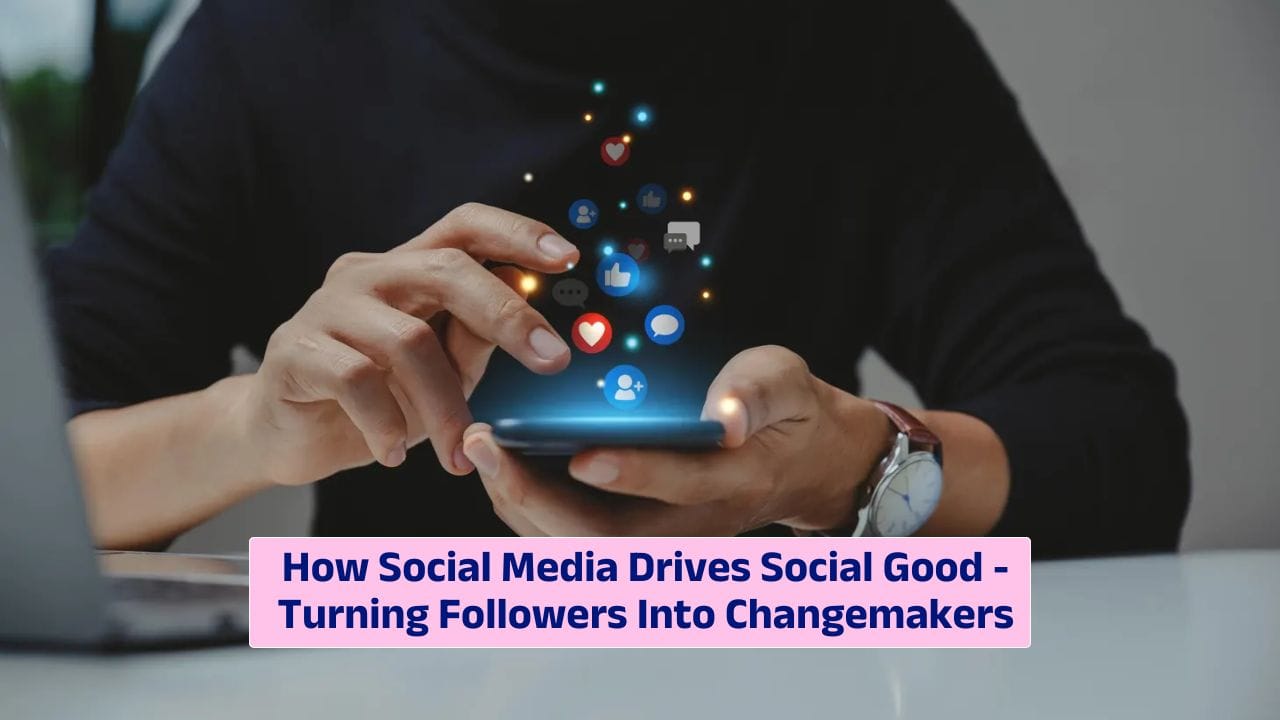
In today’s digital world, social good spreads fast. One video about a small act of kindness can go viral, inspiring thousands to do the same. This creates a domino effect where good actions multiply.
Youth-led movements, online fundraisers, and awareness campaigns show how one person—or one post—can influence millions. And because it’s shared in real-time, it often builds momentum quickly, sparking waves of collective action.
Motivation
Here’s the twist: people are not always purely selfless. And that’s okay.
Psychologists say we often act out of “enlightened self-interest.” In other words, we help others because it makes us feel good or aligns with our values. This doesn’t make the action less meaningful. If anything, it proves that doing good is human nature.
Even businesses are catching on. Companies that prioritize social impact tend to attract more loyal customers and employees. Doing good is no longer optional—it’s expected.
Education
The more we know about the science behind social good, the more we can teach it. Schools are now including service learning, empathy education, and social responsibility in their curricula.
By introducing students to the real-world effects of helping others, we raise a generation that’s not only kinder, but also smarter about how and why to make a difference.
Social good is more than just being nice. It’s a powerful force backed by biology, psychology, economics, and human behavior. Every act of kindness sparks something bigger—from boosting mental health to building stronger communities and influencing global movements. When we know the science behind it, we realize that doing good isn’t just the right thing. It’s also the smart thing.
FAQs
What is social good?
Social good refers to actions that benefit individuals and communities.
Does kindness affect the brain?
Yes, it releases feel-good chemicals like dopamine and oxytocin.
Can social good impact the economy?
Absolutely, it adds value through volunteering, donations, and jobs.
Why do people help others?
Often to feel good, find purpose, or support a shared cause.
Is social good taught in schools?
Yes, through empathy education and service learning programs.