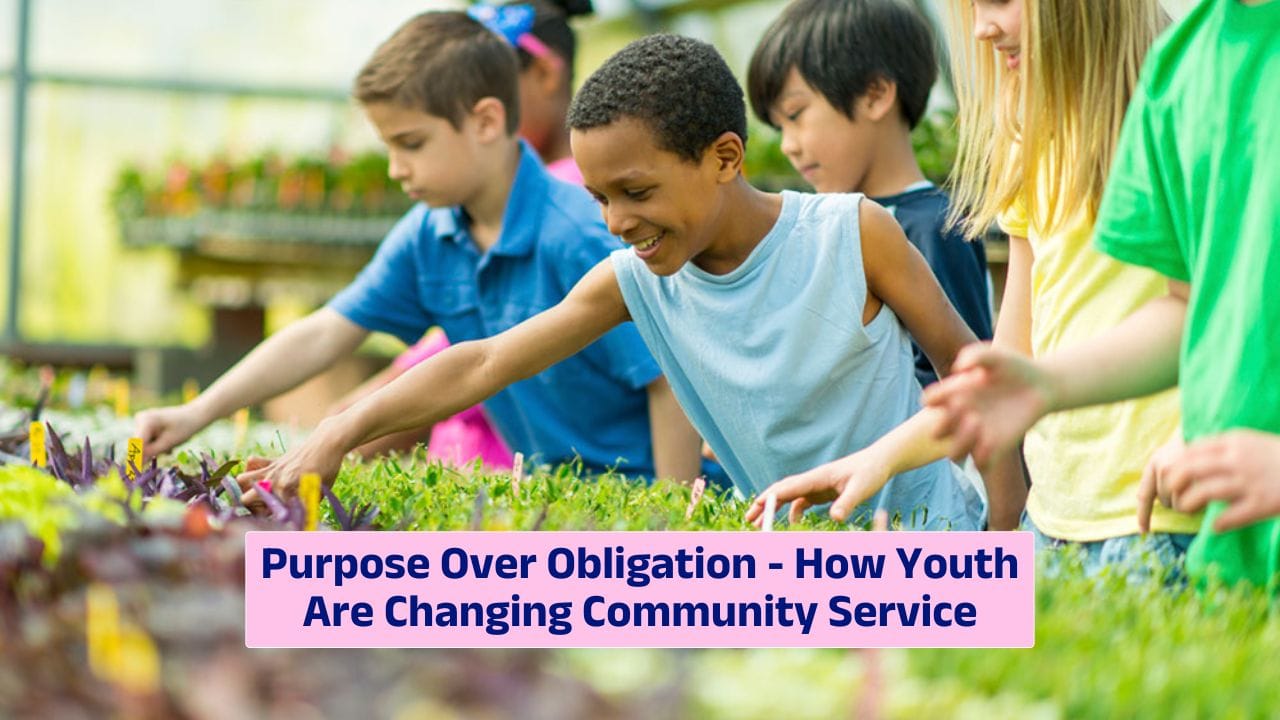
Community service used to be something you did to meet a school requirement or earn a badge. But today’s youth are flipping the script. They’re not just volunteering because they have to—they’re doing it because they want to make a real difference.
Driven by purpose rather than obligation, young people are redefining what it means to serve their communities. And the impact? It’s deeper, more personal, and more powerful than ever before.
Motivation
Let’s start with the why. What’s pushing young people to get involved in causes beyond themselves?
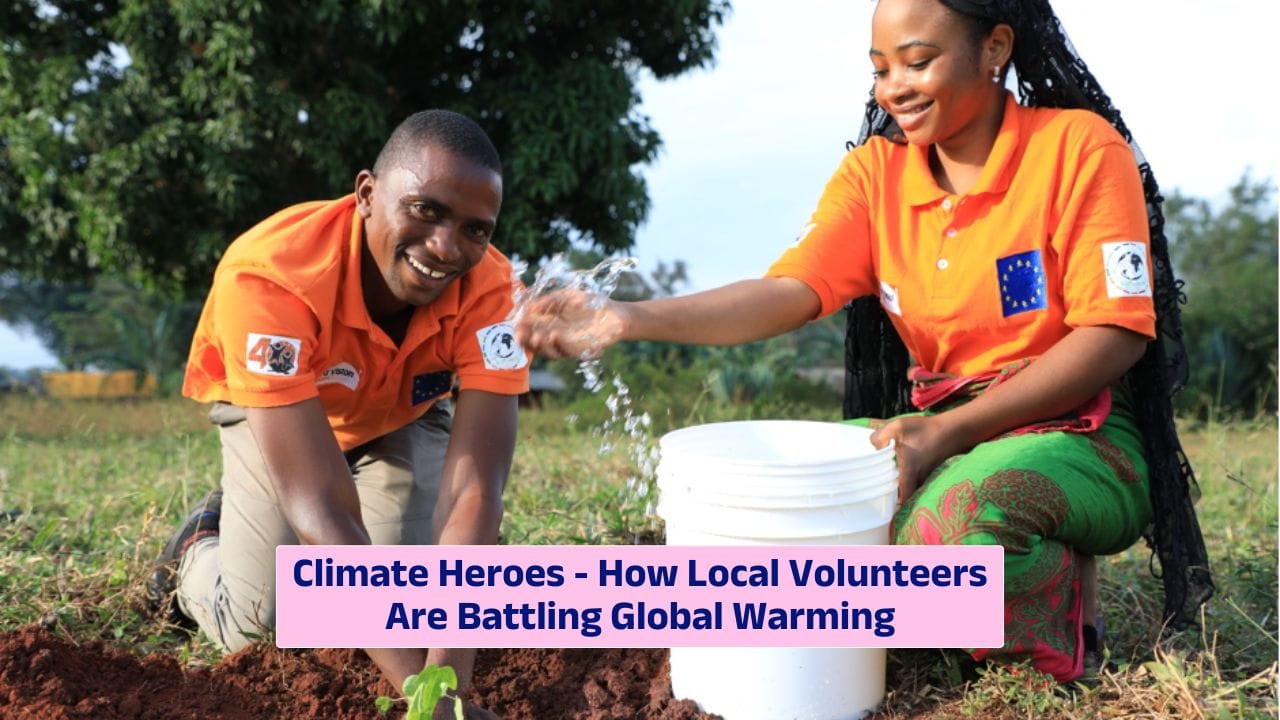
For many, it’s about purpose. Whether it’s climate action, social justice, or mental health awareness, Gen Z and younger Millennials are passionate about issues that matter to them personally. Community service is no longer just a checklist—it’s a channel for change.
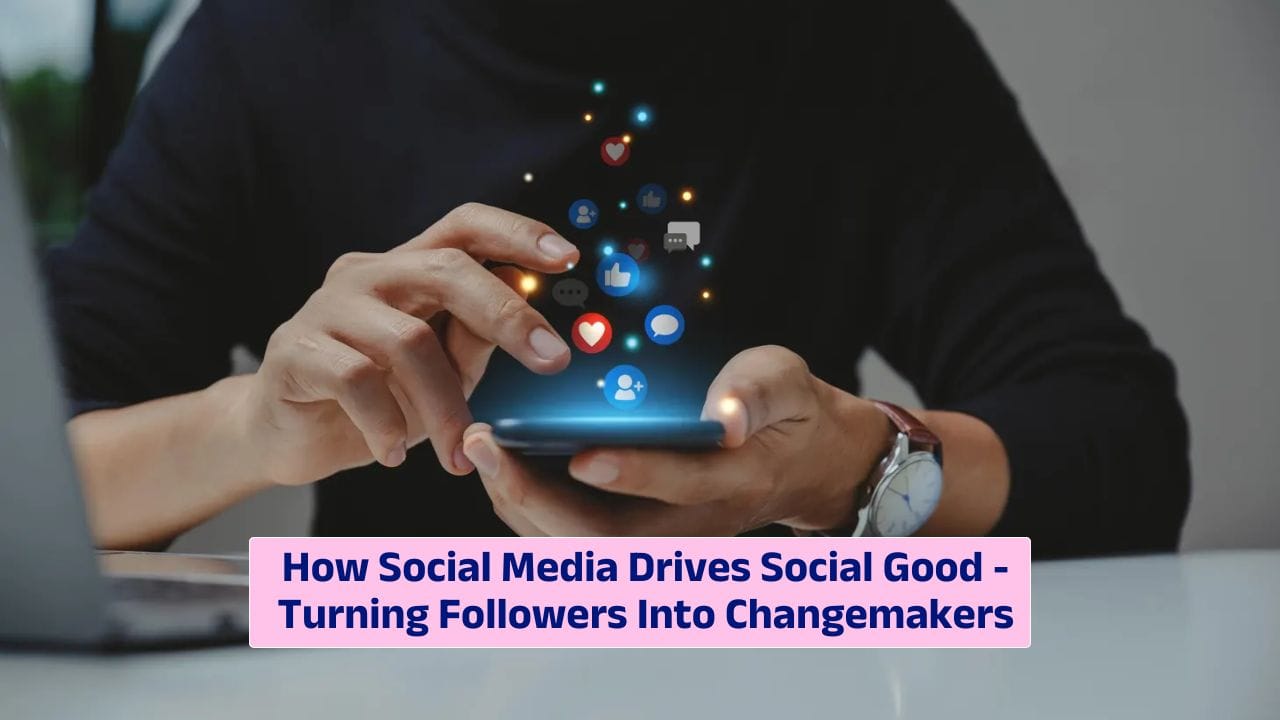
Social media plays a big role too. When young people see their peers leading clean-up drives or raising funds online, it sparks inspiration. Service becomes part of their identity, not just a one-off event.

Ownership
Another big shift? Youth aren’t just joining community projects—they’re leading them.
Instead of waiting for someone to hand them a volunteer role, many are starting their own initiatives. From food banks run by teens to eco-clubs founded in high schools, young people are showing they don’t need to be told what to do. They’re creating solutions themselves.
This sense of ownership builds leadership skills, confidence, and resilience. It’s not just about giving back—it’s about building up.
Innovation
The new wave of youth-led service is anything but traditional. Forget bake sales and canned food drives (though those still have their place). Today’s young changemakers are turning to tech and creativity.
They’re launching online awareness campaigns, developing apps to connect volunteers with causes, or using platforms like TikTok to spread educational messages. Community service now includes coding, content creation, and digital activism.

Here’s a comparison of traditional and modern youth-led service:
| Traditional Service | Modern Youth Initiatives |
|---|---|
| Food drives | Crowdfunding campaigns |
| Park cleanups | Climate awareness TikToks |
| Volunteering at shelters | Creating mental health support apps |
| Fundraisers | Starting nonprofit organizations |
This innovation makes community service more accessible, scalable, and in tune with the times.
Connection
Youth today see community service not as a duty but as a connection—to people, to purpose, and to the planet.
Volunteering brings them closer to their community. It helps them understand different perspectives, build empathy, and form bonds with people they might never have met otherwise. These experiences often leave lasting impressions and shape their future paths, both personally and professionally.
And because many youth-led initiatives are collaborative, they also learn how to work in teams, communicate effectively, and solve problems creatively—skills that go far beyond service.

Impact
The results speak for themselves. Youth-led movements have sparked local policy changes, raised thousands for causes, and spread awareness faster than traditional campaigns ever could. Their energy and reach are unmatched.
What’s even more impressive is the emotional impact. Young people feel empowered when they serve. They see that their actions matter. That sense of agency fuels even more service—it’s a positive feedback loop that creates lasting change.
Support
But let’s be clear: youth shouldn’t have to do it alone. Schools, families, and communities need to support these efforts. That means giving young leaders space to grow, tools to build their ideas, and platforms to be heard.
When adults shift from directing to mentoring, they help unlock the full power of youth-driven service. It’s about partnership, not control.
Future
Looking ahead, the way youth approach service is likely to become even more purposeful and creative. With access to more tools and networks than ever, today’s young people are well-equipped to tackle global problems from their own backyards.
And as they redefine community service, they’re also redefining what it means to lead, to care, and to create change.
Community service is no longer just about giving time—it’s about living your values. And today’s youth are leading the way with passion, purpose, and a clear vision for a better world.
FAQs
How is youth service changing?
Youth now lead purpose-driven, creative initiatives, not just tasks.
Why do young people volunteer today?
They’re driven by passion, causes they care about, and real purpose.
Can youth start their own service projects?
Yes, many teens now launch their own organizations and campaigns.
What skills does community service build?
Leadership, empathy, teamwork, problem-solving, and confidence.
How can adults support youth service?
By mentoring, offering resources, and creating space to lead.