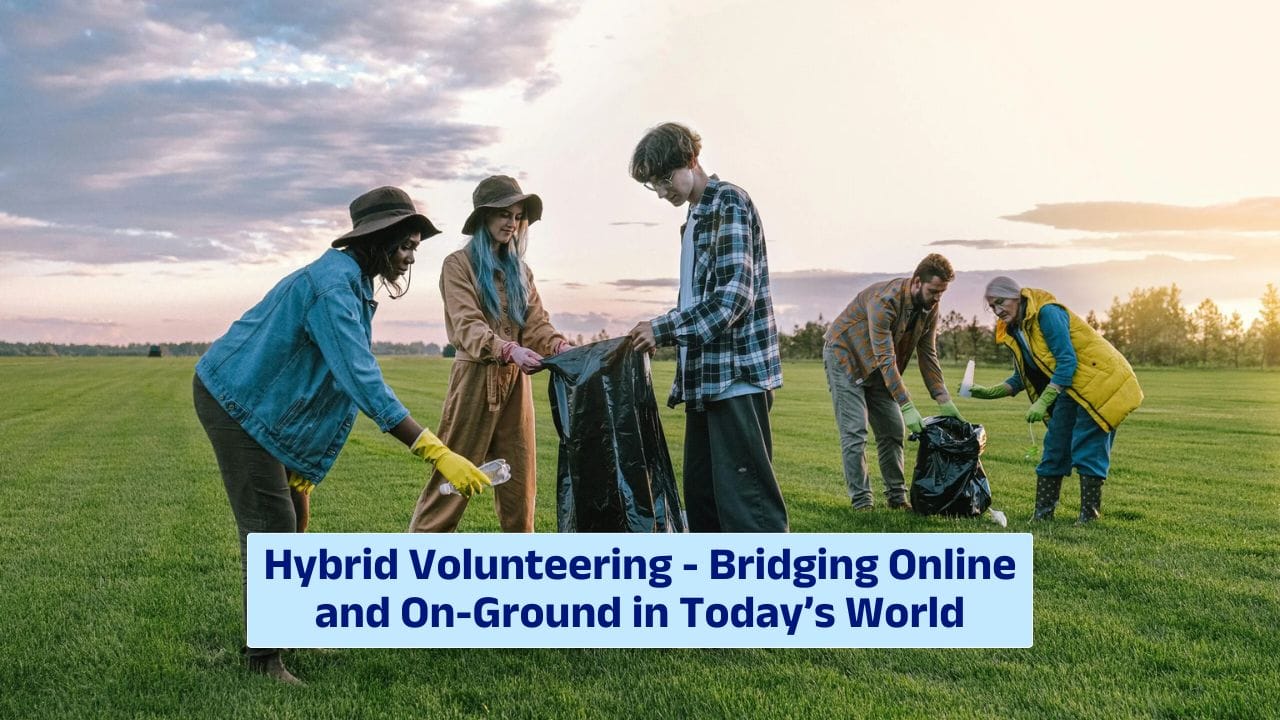
Volunteering has come a long way. Before the pandemic, most volunteer work happened in person—at schools, shelters, parks, or hospitals. Then came 2020, and everything shifted online. Zoom fundraisers, virtual tutoring, and remote crisis counseling became the new norm.
But now, as the world finds its rhythm again, volunteering is entering a new phase: hybrid volunteering. It’s flexible, inclusive, and reshaping how people give their time and skills. So, what exactly is it, and why does it matter now more than ever?
Concept
Hybrid volunteering blends online and in-person efforts to make volunteering more accessible and impactful. Think of it like a two-lane highway: one virtual, one physical—both leading to the same destination of helping others.
For example, someone might help organize a charity run online—handling registration, promotion, or sponsorship—while others volunteer on-site to manage the event day. It’s not an either-or scenario anymore. Hybrid volunteering allows people to support causes in ways that suit their lifestyle, skills, and comfort levels.
Evolution
The pandemic forced organizations to rethink how volunteering works. At first, the shift to virtual volunteering was about safety. But as time passed, it became clear there were long-term advantages—broader reach, lower costs, and higher flexibility.

Now, as in-person opportunities reopen, many groups are keeping the best of both worlds. Instead of reverting fully back to physical events, they’re mixing formats to stay agile and inclusive. That’s how hybrid volunteering was born—not just as a trend, but as a sustainable solution.
Benefits
Hybrid volunteering isn’t just convenient. It’s a win-win for both volunteers and the organizations they support.
| Benefits for Volunteers | Benefits for Organizations |
|---|---|
| Greater flexibility | Access to a wider volunteer pool |
| More inclusive (remote access) | Reduced operational costs |
| Matches different skill sets | Year-round support, not just local |
| Saves time and travel | Easier event planning and logistics |
| Allows micro-volunteering | Can engage global volunteers |
This model also supports people with busy schedules, disabilities, or those living far from the cause they care about. It removes many of the barriers that used to limit volunteering.
Roles
So, what can hybrid volunteering look like in action? It covers a wide range of roles—some done entirely online, some in-person, and many that combine both.
Online Tasks

- Social media promotion
- Virtual mentoring or tutoring
- Website updates or graphic design
- Writing newsletters or grant proposals
- Hosting webinars or virtual training
On-Ground Tasks
- Distributing food or supplies
- Event setup and breakdown
- Planting, cleaning, or building
- Face-to-face mentoring or support
- Local community engagement
Hybrid Roles
- Organizing events virtually and attending on-site
- Leading hybrid workshops or training sessions
- Planning fundraisers online and managing them in person
This blended approach opens the door for more people to get involved—wherever they are, whatever time they can spare.
Challenges
Of course, hybrid volunteering comes with challenges. Communication can be tricky when teams are split between screens and physical spaces. Volunteers may need different tools or support depending on their role. Coordinators have to manage scheduling, tech platforms, and expectations from both sides.
Other issues include:

- Tech access and training gaps
- Time zone differences for global volunteers
- Balancing workloads fairly between online and in-person contributors
But most of these challenges can be solved with good planning, clear communication, and the right digital tools.
Tools
Technology is what makes hybrid volunteering possible. From collaboration apps to video conferencing platforms, digital tools help keep everyone connected and on track.
Some essential tools include:
- Zoom or Google Meet for meetings
- Slack or Discord for communication
- Trello or Asana for project management
- Canva for design work
- Shared drives like Google Docs or Dropbox
These tools create a bridge between online volunteers and on-ground teams, keeping everything moving smoothly.
Future
The future of volunteering is hybrid. As more people look for ways to give back that fit their busy lives, organizations that offer flexible options will attract and retain more help. Hybrid models also allow nonprofits to scale their impact—reaching more people in more places with fewer resources.
It’s not just a stopgap or pandemic response. It’s the evolution of volunteering into something more dynamic, inclusive, and powerful.
Whether you’re behind a screen or on the street, your time and effort matter. Hybrid volunteering proves that helping others doesn’t have to fit into a box—it just has to fit into your life.
FAQs
What is hybrid volunteering?
It blends online and on-ground volunteer work for flexibility.
Why is hybrid volunteering popular now?
It offers safety, flexibility, and broader access post-pandemic.
What are examples of online volunteer tasks?
Tasks like mentoring, promotion, design, and virtual events.
What tools support hybrid volunteering?
Zoom, Slack, Trello, Google Docs, and Canva.
Can anyone do hybrid volunteering?
Yes, it suits all ages, skills, and time commitments.