Learning doesn’t have to happen inside four walls. In fact, some of the most powerful lessons happen under the open sky. That’s where outdoor classrooms and experiential learning come in—revolutionizing how we teach, how students learn, and how education connects with the real world. Think back to when you were a kid.
Didn’t the lessons you learned outside—on field trips, in nature, during experiments—stick with you longer than anything taught from a textbook? That’s the magic we’re talking about here.
Concept
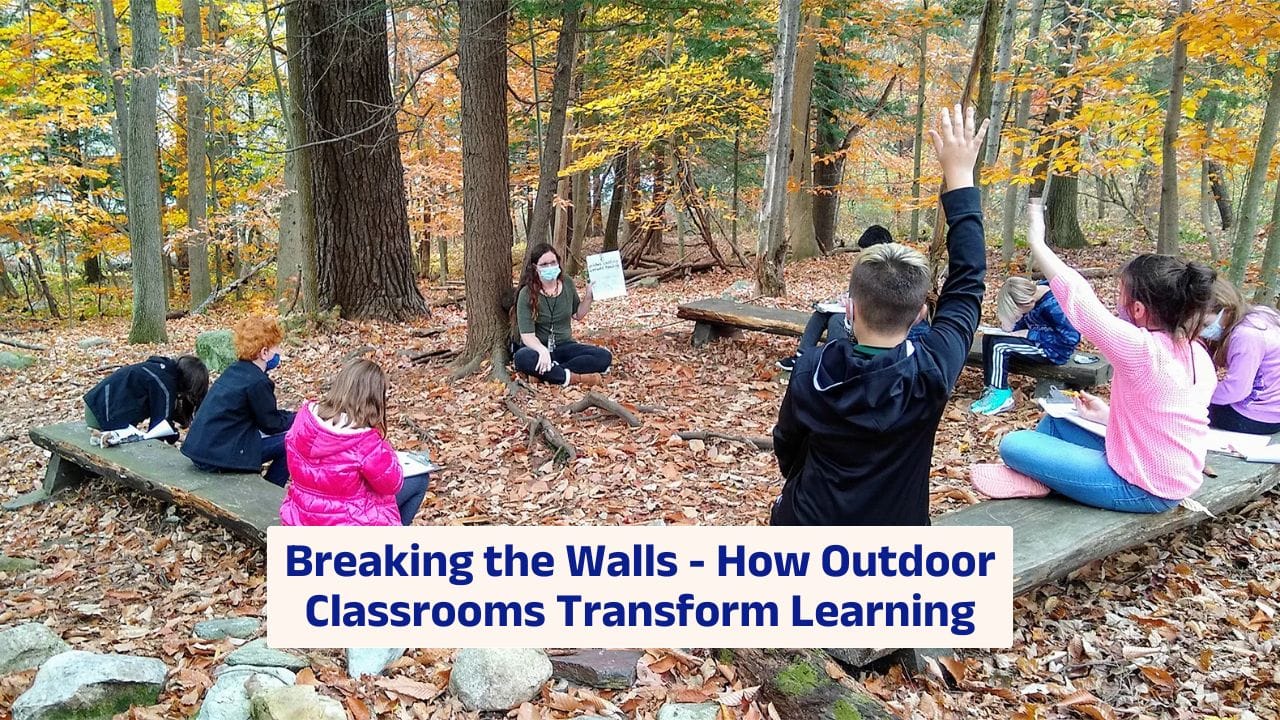
Outdoor classrooms are exactly what they sound like—learning spaces set up outside the traditional classroom, often in nature or specially designed open-air settings. It’s not just about fresh air and sunshine (though that’s a bonus). These spaces give students a chance to interact directly with their environment, apply concepts in real-time, and develop practical life skills.
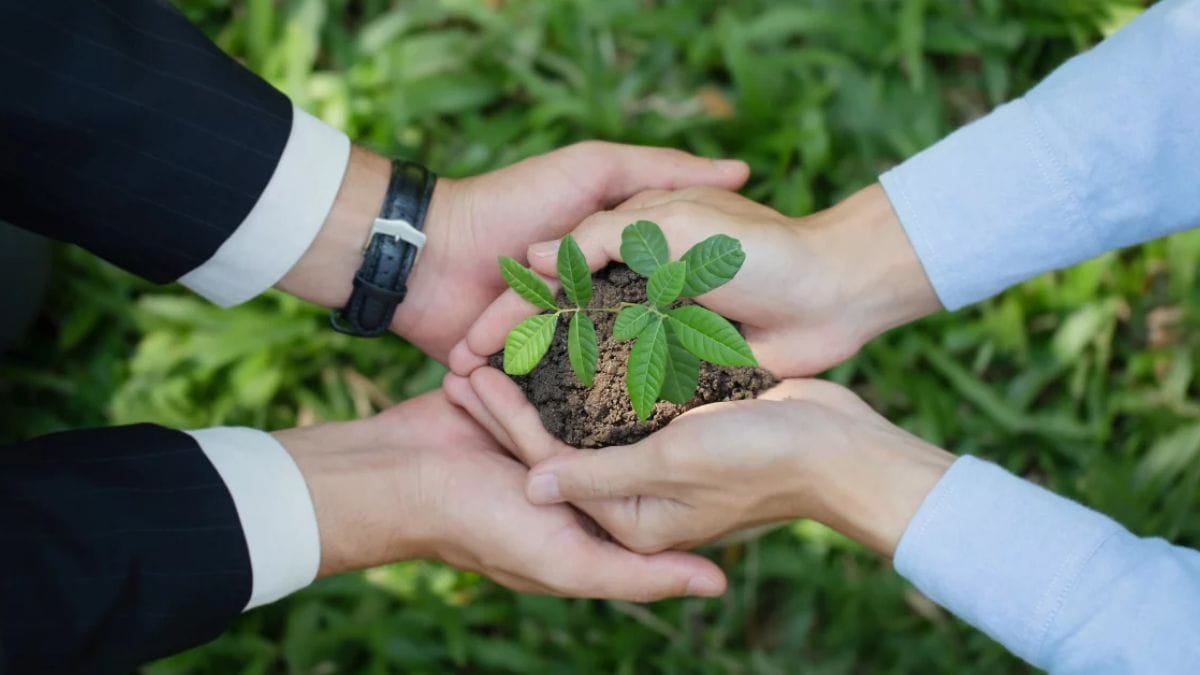
Experiential learning takes it a step further. It’s a hands-on, minds-on approach where students do before they understand. Instead of just reading about plant biology, they grow a garden. Instead of memorizing a formula, they apply it to build a project. It’s learning through action, reflection, and real-world engagement.
Benefits
There’s something incredible that happens when you take learning outdoors. For one, students become more engaged. Nature has a way of sparking curiosity—whether it’s the way a butterfly flaps its wings or how shadows change with the sun.
Here are some proven benefits:
| Benefits of Outdoor Learning | Impact on Students |
|---|---|
| Boosts focus and attention | Reduced ADHD symptoms |
| Improves academic performance | Better test scores |
| Enhances mental health | Lower stress and anxiety |
| Promotes physical activity | Healthier lifestyle |
| Strengthens social skills | Teamwork and collaboration |
| Fosters creativity | Encourages innovative thinking |
When students are allowed to look, fail, try again, and reflect, they develop critical thinking skills and become more resilient learners.
Methods
There are countless ways to integrate outdoor classrooms and experiential learning into the curriculum. It doesn’t require a massive budget or fancy equipment—just a shift in mindset.
Here are a few simple yet powerful approaches:
- Nature walks: Use local parks or school gardens to teach biology, geography, or even poetry.
- Outdoor experiments: From physics to chemistry, natural settings are ideal for applying science.
- Role-play and storytelling: Drama and history come alive when acted out in open spaces.
- Art in nature: Drawing, painting, or sculpting using natural materials deepens creativity.
- Outdoor math challenges: Measure trees, calculate area, or work on group problem-solving.
These aren’t just fun activities—they’re aligned with core learning outcomes. The difference? Students remember them.

Connection
One of the most powerful aspects of outdoor education is its ability to connect learning with the real world. Traditional classrooms can feel abstract—like learning is just for tests. But when kids plant a garden and watch it grow, they understand ecosystems, responsibility, patience, and even climate change.
It also helps bridge gaps in traditional education systems. Students who struggle with conventional methods often thrive outdoors. It provides equity by offering different learning styles a place to shine. Whether it’s a quiet learner observing wildlife or a hands-on student building shelters in a survival unit, outdoor learning meets kids where they are.
Challenges
Let’s be real—outdoor classrooms aren’t perfect. Weather is unpredictable, planning takes more time, and not every school has access to safe outdoor spaces. Teachers might also feel unprepared to lead lessons outside.
But these challenges aren’t deal-breakers. With proper training, flexible planning, and community support, schools can overcome most obstacles. In fact, even urban schools with limited space are finding ways to turn rooftops, courtyards, and sidewalks into learning zones.
Future
The future of education might just be outdoors. As more research shows the cognitive and emotional benefits of nature-based learning, schools around the world are making permanent shifts. Some are designing campuses with built-in outdoor classrooms. Others are weaving in weekly nature-based learning as part of the standard curriculum.

And with technology becoming more portable, outdoor learning doesn’t mean ditching digital tools. Tablets, mobile apps, and AR can enhance outdoor lessons and help students document and analyze their experiences.
We’re moving toward an education system that’s more holistic, more human, and more connected to the planet. And it all starts by stepping outside.
Education isn’t meant to be confined to a room. The world itself is a classroom, full of lessons waiting to be discovered. Outdoor classrooms and experiential learning open doors—literally and figuratively—to richer, deeper, more memorable education. If we want students to grow, maybe we should start by giving them room to breathe, look, and learn in the wild.
FAQs
What is an outdoor classroom?
It’s a learning space outside, often in nature or open-air settings.
How does experiential learning work?
It uses hands-on activities to teach real-world skills.
What are the benefits of outdoor learning?
It boosts focus, mental health, and engagement.
Can all subjects be taught outdoors?
Yes, many subjects like science, art, and math can be.
Is outdoor learning expensive to implement?
Not always—many schools use simple, local resources.