Corporate volunteering has come a long way from casual donation drives and company-sponsored cleanups. In 2025, it’s more strategic, more impactful, and more employee-driven.
Businesses are realizing that volunteering isn’t just good for the community—it’s good for company culture, employee satisfaction, and brand reputation. Let’s unpack the biggest trends reshaping corporate volunteering this year and how companies are stepping out of the office and into the field.
Shift
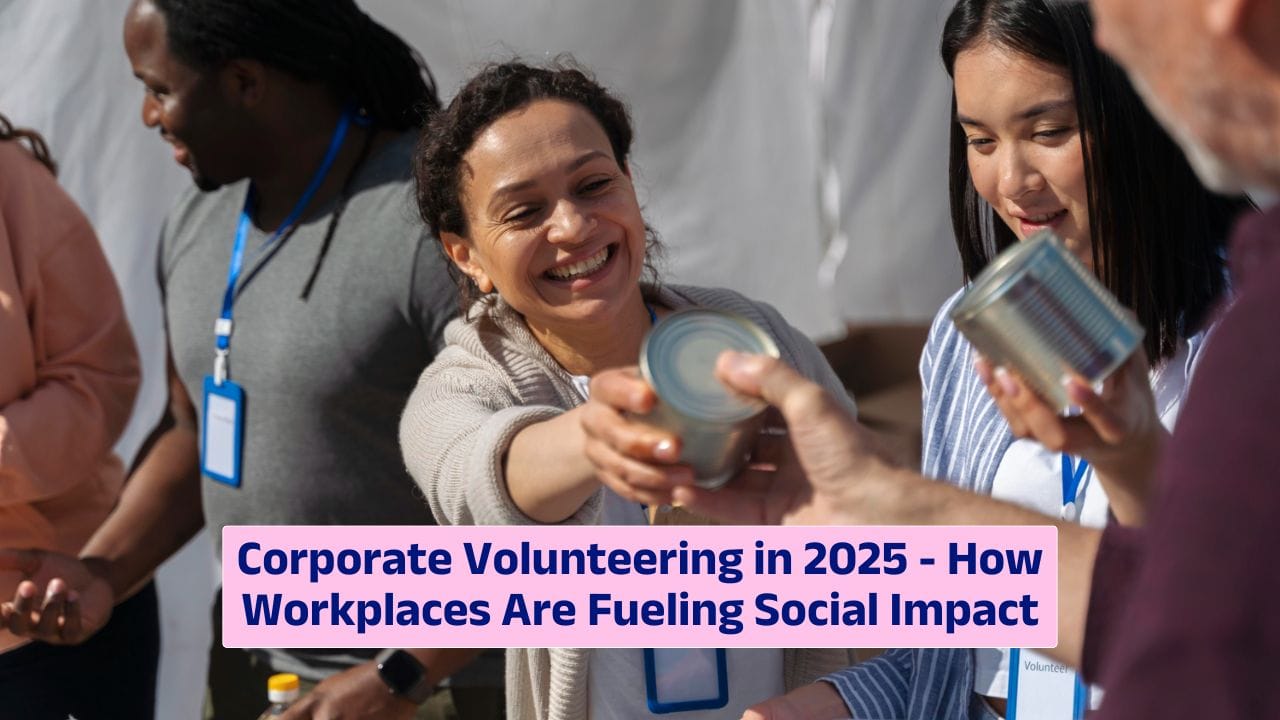
Gone are the days when corporate volunteering meant a once-a-year photo op at a charity event. Today’s employees are looking for more meaningful and consistent ways to give back. And companies are responding by integrating volunteering into everyday work culture.
This shift is largely driven by purpose-focused millennials and Gen Z workers who want their jobs to have social value. Many now expect employers to offer paid time off for volunteering or even match their volunteer hours with financial donations to causes.
Integration
One of the biggest trends in 2025 is the integration of volunteering into broader corporate strategies. Companies are aligning volunteer programs with their core missions. For example, a tech firm might run digital literacy programs for underserved schools, while a health brand could organize wellness camps in low-income areas.
It’s no longer about just doing good—it’s about doing good in ways that make sense for the company’s expertise and values. This creates deeper, more sustainable community partnerships and keeps employees more engaged.
Skills
Another key trend is the rise of skill-based volunteering. Instead of just manual labor, employees are using their professional talents to make an impact. A finance team might help a nonprofit with budgeting, while marketers could assist with social media campaigns.
This kind of volunteering has a dual benefit. Nonprofits get access to high-level expertise they might not afford, and employees gain personal fulfillment and professional growth. It turns volunteering into a two-way street of learning and impact.
| Volunteering Type | Example |
|---|---|
| Traditional | Tree planting, food drives, cleanups |
| Skill-Based | Legal aid, design work, financial planning |
| Virtual | Online mentoring, remote training sessions |
| Immersive | Fieldwork in rural areas, disaster response |
Virtual
Even with the return to in-person activities, virtual volunteering is still going strong in 2025. Online mentoring, remote tutoring, and virtual training sessions continue to grow, especially for global teams or hybrid workers.
These programs allow employees to volunteer across borders and time zones, making it easier to involve more people regardless of location. It’s flexible, scalable, and still highly impactful—perfect for the modern, mobile workforce.

Recognition
Recognition plays a huge role in the success of corporate volunteering programs. Companies that publicly acknowledge employee contributions—whether through awards, bonuses, or spotlight features—see higher participation rates and morale.
Some businesses now include volunteering milestones in performance reviews or offer career development perks for active participants. This reinforces the idea that social impact is a valued part of an employee’s role, not just an optional extra.
Metrics
In 2025, companies aren’t just tracking volunteer hours—they’re measuring outcomes. This means looking at how many students improved their grades after mentoring or how many nonprofits reached their goals faster with corporate support.
Impact reports are becoming standard, shared in sustainability updates and annual reviews. This data-driven approach ensures transparency and helps refine programs to deliver real value—for both the community and the company.
Future
Looking ahead, the future of corporate volunteering is all about deeper connection, smarter strategies, and lasting partnerships. It’s not just about checking boxes—it’s about building bridges between the corporate world and the communities they serve.

With employees eager to contribute and companies seeing the business case for doing good, volunteering is no longer an afterthought. It’s a cornerstone of how modern companies lead with purpose, empathy, and action.
FAQs
What is corporate volunteering?
When companies support employees in doing community service work.
What’s new in volunteering in 2025?
Trend shifts to skills-based, virtual, and strategic programs.
Why do companies encourage volunteering?
It boosts morale, engagement, and brand trust.
How does skill-based volunteering work?
Employees use job skills to support nonprofits effectively.
Does virtual volunteering still matter?
Yes, it’s flexible and helps connect global teams to causes.