When it comes to helping kids succeed in school and beyond, the relationship between parents and teachers plays a bigger role than most people realize. It’s not just about showing up for parent-teacher conferences or helping with homework.
A strong partnership between home and school lays the foundation for lifelong learning habits. But how do you build that connection in a meaningful, lasting way? Let’s look into how this vital partnership shapes children into curious, confident, and independent learners.
Foundation
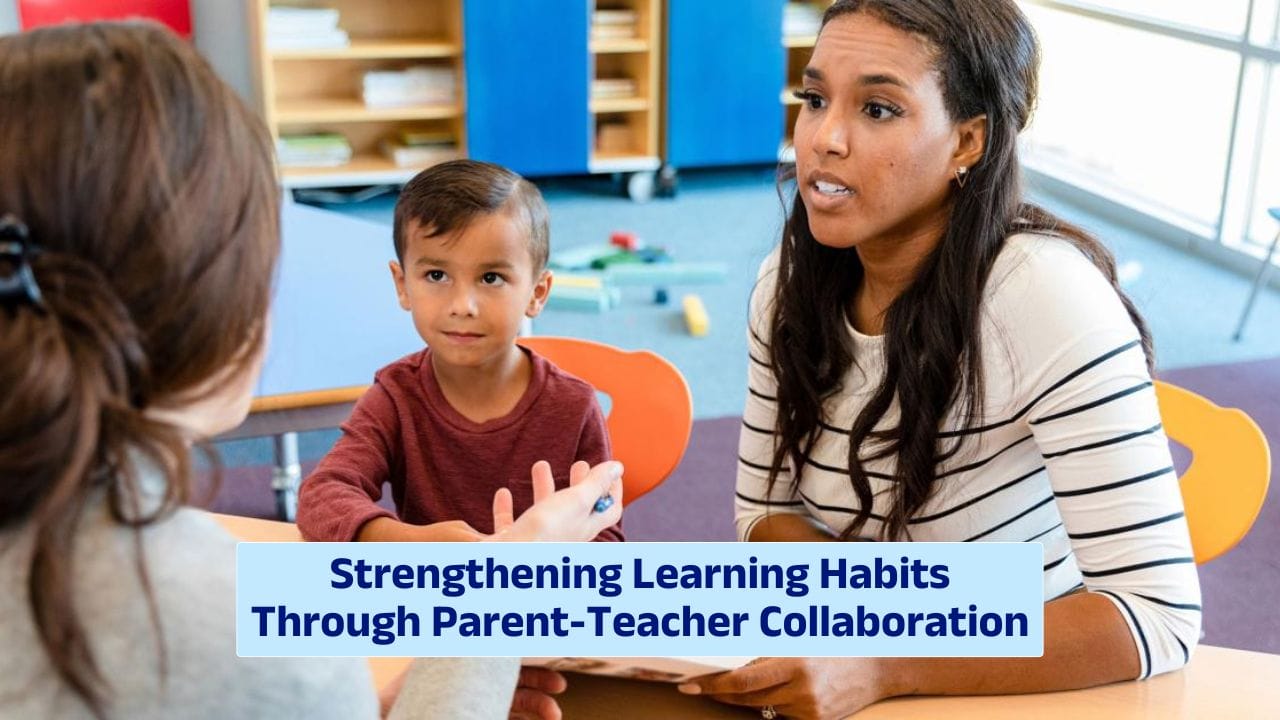
The first and most important point to know is that both parents and teachers want the same thing: success for the child. When they work together, children are more likely to feel supported, motivated, and understood.
This kind of teamwork builds trust. Parents understand what’s happening in the classroom, while teachers gain insight into what’s going on at home. When the two worlds communicate and collaborate, it creates a stable learning environment for the student.
Communication
Effective communication is the glue that holds the partnership together. But it has to go beyond the occasional report card or open house.
Regular check-ins, whether by email, text, or apps like ClassDojo or Remind, can keep parents updated on academic progress, behavior, and upcoming assignments.
It also goes both ways. Teachers benefit when parents share concerns, home challenges, or feedback that might affect learning. These conversations build a two-way bridge that benefits everyone.
Consistency
Kids thrive on consistency, and that’s where this partnership truly shines. When parents and teachers are on the same page about expectations, routines, and discipline, students know what to expect and how to behave.
Imagine a student learning time management at school — it works better if those same skills are encouraged at home. Reinforcement from both sides helps habits stick.
Support
Parents can support learning at home in small but powerful ways. This doesn’t mean turning the kitchen table into a second classroom. Simple habits like reading together, encouraging questions, or creating a quiet study space make a big difference.

On the flip side, teachers can offer support to parents too — by providing resources, suggesting strategies, or simply offering reassurance when things get tough.
It’s not about perfection. It’s about progress, and that only happens when both sides feel supported.
Engagement
When parents are engaged in their child’s education, the child notices. They feel valued and take their learning more seriously.
This doesn’t just mean attending school events. Engagement can also be asking about their day, showing interest in their projects, or celebrating small academic wins.
Teachers can help by making school more welcoming for families — through workshops, newsletters, or parent involvement days. The more connected families feel, the more they’ll stay involved.

Habits
Lifelong learning isn’t built overnight. It’s created through repeated, positive habits — curiosity, responsibility, self-discipline, and resilience.
These are habits that parents and teachers can nurture together. A child who sees learning valued at school and at home is more likely to adopt those values for life.
Whether it’s encouraging independent reading, rewarding effort over results, or promoting problem-solving, these joint efforts build a learner’s mindset that sticks.
Benefits
When parents and teachers form a strong alliance, the benefits are clear:
| Benefit | Impact on Child |
|---|---|
| Better academic results | Students perform better in school |
| Improved behavior | Consistent expectations shape behavior |
| Stronger confidence | Support boosts self-esteem |
| More motivation | Students try harder when backed by both |
| Long-term success | Builds habits that last into adulthood |
Future
As education evolves, so does the role of families and educators. With more hybrid learning, technology in classrooms, and personalized learning plans, collaboration is no longer optional — it’s essential.
Schools need to continue finding creative ways to involve parents. And families need to see themselves as co-educators, not just observers.
The goal isn’t just academic achievement. It’s helping kids develop the tools they’ll need to keep learning, growing, and thriving long after they leave the classroom.
And that’s something no test score can measure.
FAQs
Why is parent-teacher teamwork important?
It supports student learning and builds consistency.
How can parents stay involved?
By communicating regularly and supporting learning at home.
What role does communication play?
It keeps parents and teachers aligned and informed.
Can this partnership improve behavior?
Yes, consistency between home and school helps a lot.
What habits can this partnership build?
Lifelong habits like curiosity and responsibility.