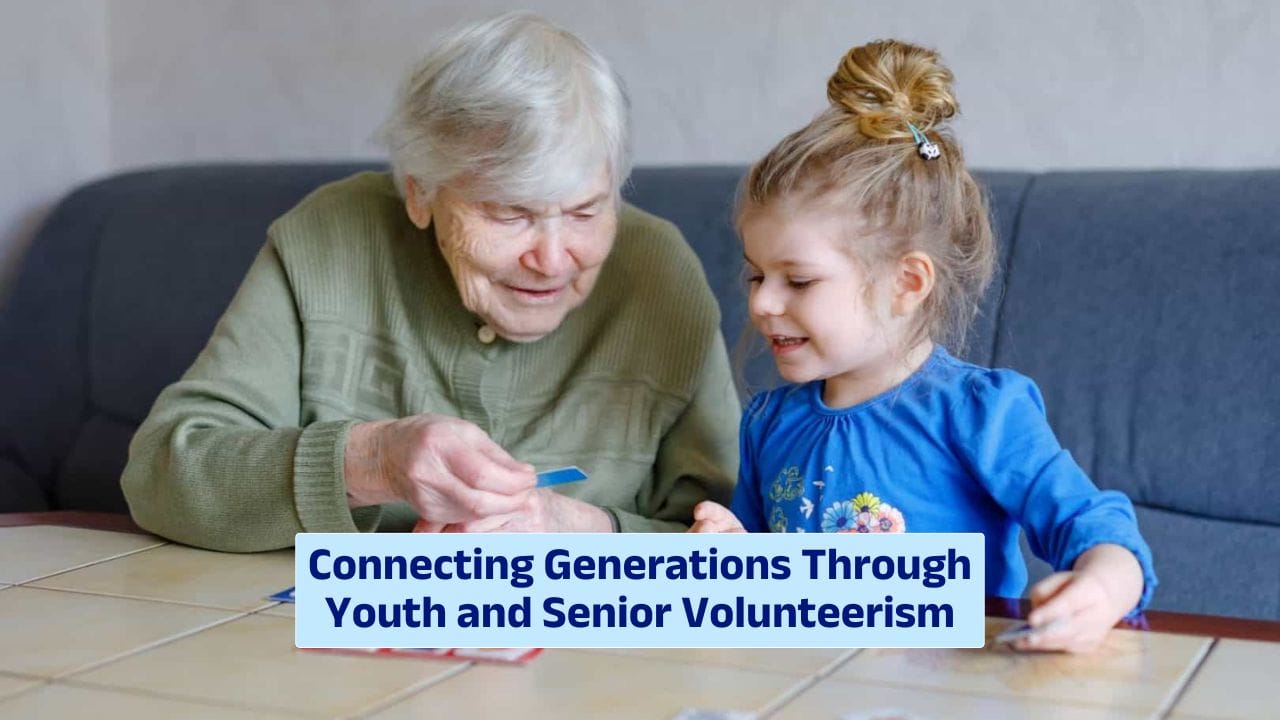
What happens when youthful energy meets a lifetime of wisdom? Magic. That’s the power of intergenerational volunteerism. It’s more than just a feel-good project. When young people and older adults come together to serve their communities, something deeper unfolds—mutual respect, lifelong learning, and meaningful connections that bridge the generation gap.
Concept
Intergenerational volunteerism is exactly what it sounds like—people from different age groups volunteering side by side. It might be teenagers helping seniors learn technology, or retirees mentoring youth through community projects. The core idea is simple: both groups have something to give and something to gain.
This kind of volunteering isn’t just about helping others; it’s about building relationships across age lines. In a world that often separates people by generation, this approach brings them together with a shared purpose.
Benefits
When generations come together, the benefits are powerful—and mutual. Here’s a quick look:
| For Youth | For Seniors |
|---|---|
| Learn from real-life stories | Share life experience |
| Build empathy | Feel valued and needed |
| Gain leadership skills | Stay mentally and socially active |
| Challenge stereotypes | Connect with younger world |
Young people gain valuable perspective from those who’ve lived through decades of change. Seniors feel reinvigorated by the enthusiasm and curiosity of youth. And everyone leaves with a greater sense of community.
Learning
One of the most underrated outcomes of intergenerational volunteering is the learning that happens—organically and often unexpectedly.
A teen teaching a grandparent to use social media isn’t just sharing tech tips. They’re learning patience, communication, and respect. A retired teacher helping a young student with homework isn’t just offering answers—they’re building confidence and trust.
This kind of hands-on learning beats any classroom lesson. It’s real, it’s personal, and it leaves a lasting impact.
Connection
We often hear that different generations don’t understand each other. But is that really true, or are they just not talking enough?
Volunteer programs create a space for genuine conversations. Stories are shared, laughter is exchanged, and bonds form. These interactions help break down harmful stereotypes like “kids today are lazy” or “seniors are out of touch.”
Instead of focusing on what separates us, we focus on what connects us—kindness, purpose, and shared humanity.
Projects
Not sure what intergenerational volunteerism looks like in real life? Here are a few examples:
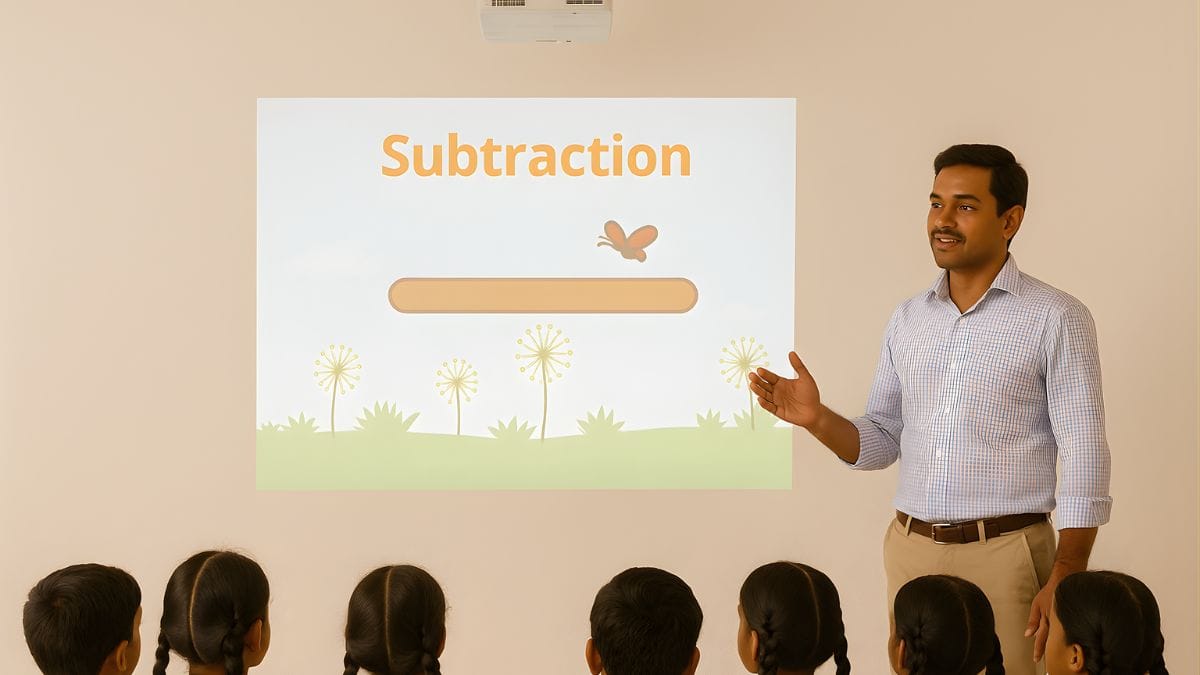
- Technology tutoring: Teens help seniors learn to use smartphones or email.
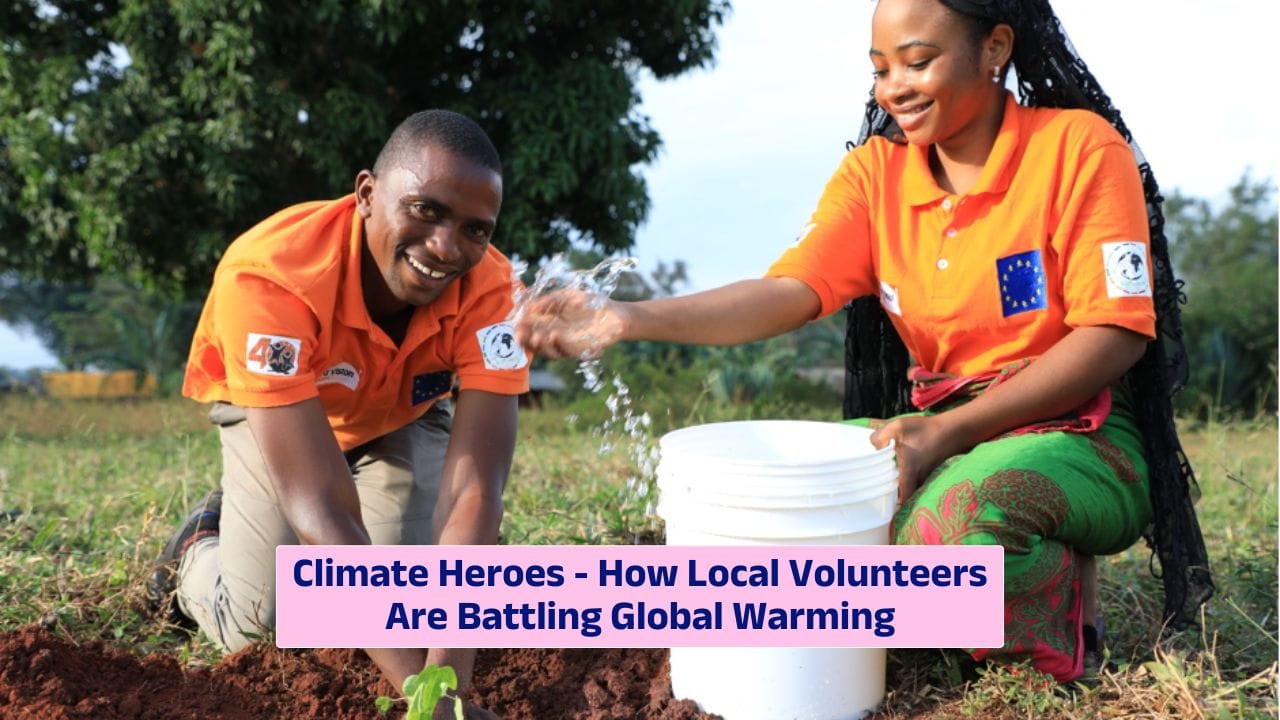
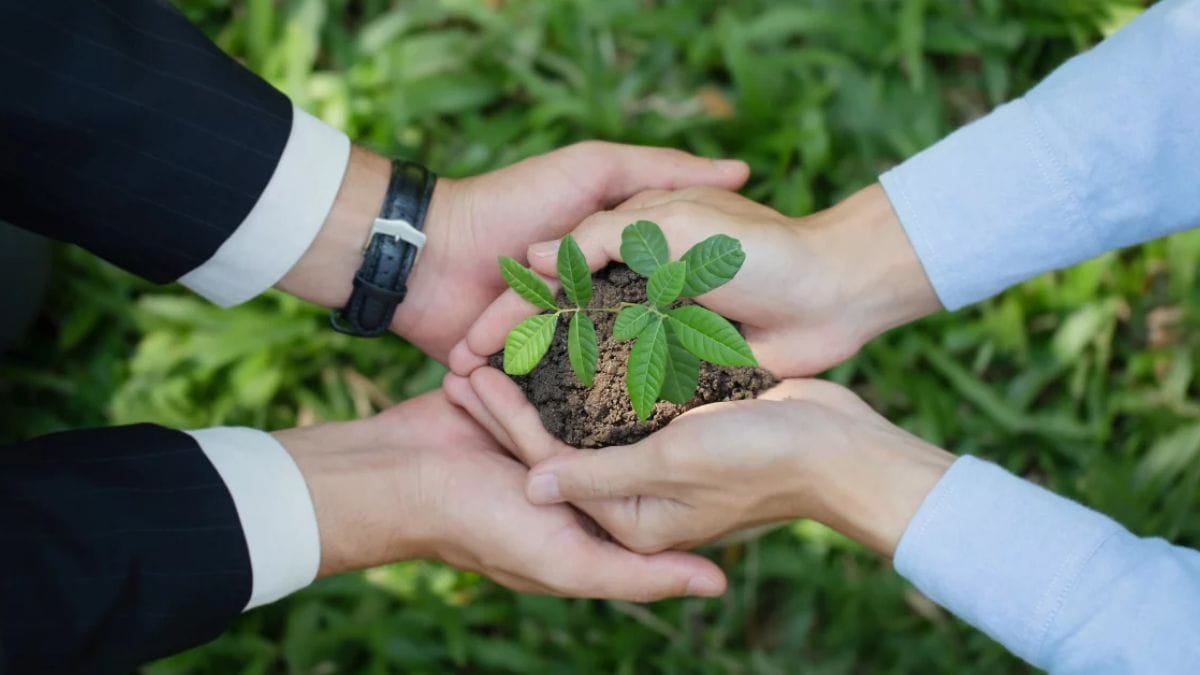
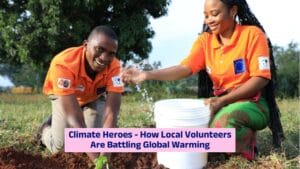
- Community gardens: Both age groups plant, water, and harvest together.
- Storytelling sessions: Seniors share life lessons while youth document or perform them.
- Art and craft projects: Hands-on creativity that fosters teamwork and fun.
The beauty of these projects is that they’re flexible. They can be adapted to fit local needs, cultural contexts, and personal interests.
Impact
Beyond the feel-good moments, these volunteer efforts can reshape entire communities. They reduce loneliness among older adults and create positive role models for youth. Studies even show that seniors who volunteer live longer and stay healthier.
Youth, on the other hand, develop a stronger sense of civic responsibility and compassion. These aren’t just nice side effects—they’re community-building outcomes with long-term benefits.
Future
In an age of digital everything and constant change, human connection is more important than ever. Intergenerational volunteerism offers a simple yet powerful solution to social fragmentation. It reminds us that while we may be from different times, we’re all part of the same story.
Whether you’re 17 or 70, you have something to offer. All it takes is a willingness to show up, share your time, and open your heart. Because when generations unite, the whole community thrives.
FAQs
What is intergenerational volunteerism?
It’s when youth and older adults volunteer together.
Why is it beneficial for youth?
They gain life skills, empathy, and mentorship.
How does it help seniors?
It provides purpose, connection, and engagement.
What are some project ideas?
Tech tutoring, gardening, arts, and storytelling.
Can it improve community bonds?
Yes, it strengthens ties across all age groups.