Every child deserves the right to learn, grow, and succeed. But for millions of children with disabilities, education is often out of reach.
Whether it’s due to inaccessible schools, lack of support services, or societal stigma, barriers to education continue to hold them back. It’s time to change that narrative and create a world where every child, regardless of ability, has access to quality learning.
Reality
Let’s face it—children with disabilities are among the most marginalized in the education system. According to UNICEF, nearly half of the children with disabilities in low-income countries never go to school. Even in developed nations, they face challenges like inadequate infrastructure, undertrained teachers, and exclusion from mainstream classrooms.
The problem isn’t the children—it’s the system. Many schools aren’t designed with inclusivity in mind. The lack of ramps, sign language interpreters, learning aids, or emotional support creates an environment where children with disabilities feel left out before they even begin.
Inclusion
Inclusive education is not just about placing students with disabilities in regular classrooms. It’s about changing the system to meet their needs. That includes accessible buildings, flexible teaching methods, and supportive learning environments.
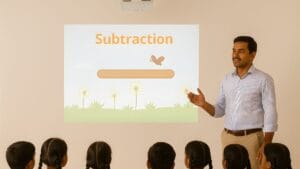
When done right, inclusive education benefits all students. It teaches empathy, encourages collaboration, and builds a more diverse and accepting school culture. Instead of separating kids based on their abilities, we create spaces where everyone belongs and learns together.
Barriers
The roadblocks to education for children with disabilities are everywhere. Some are physical, some are social, and others are financial. Here’s a quick look:
| Barrier Type | Examples |
|---|---|
| Physical | Inaccessible buildings, lack of transport |
| Educational | Untrained teachers, no individualized support |
| Social | Stigma, bullying, low expectations |
| Financial | Cost of assistive devices, school fees |
These barriers don’t just limit learning—they harm confidence and long-term opportunities. When a child can’t access education, it affects every part of their future, from jobs to independence.
Solutions
So, how do we break these barriers? It starts with commitment—from governments, communities, and schools. Here are a few key steps:
- Policy reform: Governments must enforce laws that guarantee education rights for children with disabilities.
- Teacher training: Educators need tools and strategies to support diverse learners.
- Accessibility: Schools should be physically and digitally accessible.
- Assistive technology: Devices like screen readers or hearing aids can level the playing field.
- Community awareness: Fighting stigma begins with education and understanding.
By tackling these issues, we move closer to creating schools that welcome and empower every child.

Voices
One of the most powerful tools in creating change is listening. When we hear stories from children with disabilities and their families, we better know the impact of exclusion and the hope that comes from being included.
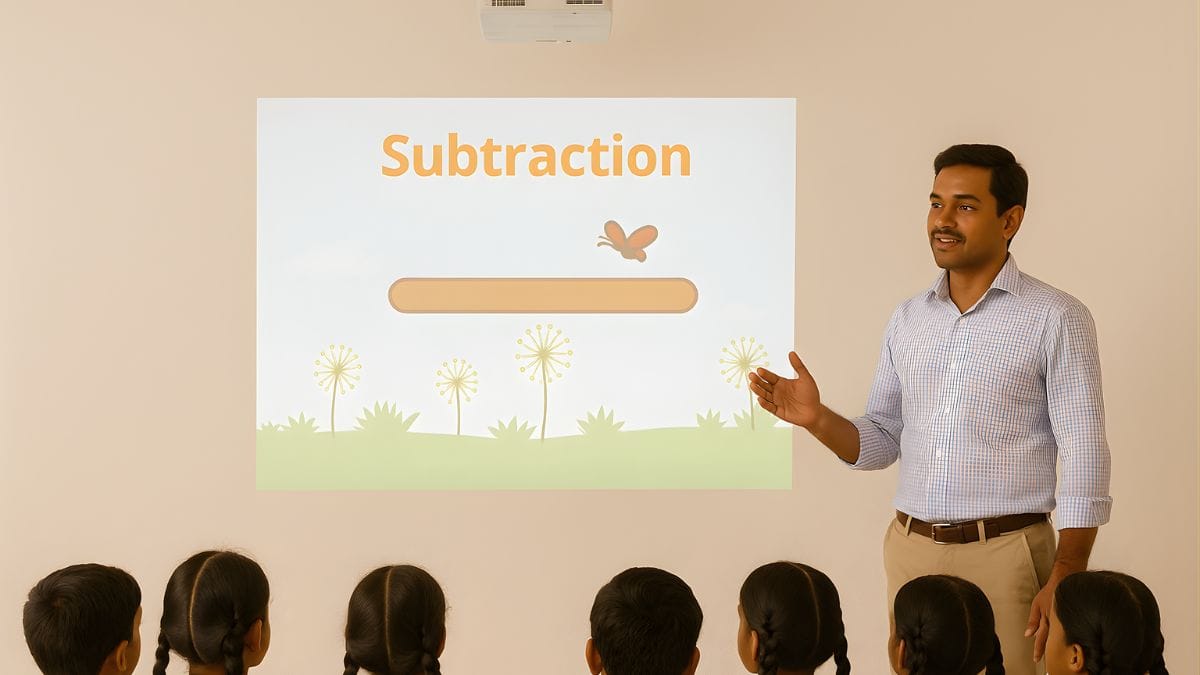
For example, a child who once stayed home because of mobility issues now thrives thanks to a school with ramps and a caring staff. Another learns through digital tools that adapt to their needs. These are not exceptions—they should be the norm.
Progress
There is hope. More countries are adopting inclusive education policies. Technology is making learning more accessible. Non-profits and advocacy groups are helping bridge the gap. Schools are beginning to understand that inclusion isn’t charity—it’s a right.
Still, there’s work to be done. True inclusion doesn’t happen overnight. It takes consistent effort, funding, and the belief that all children are capable of learning when given the chance.
Future
Imagine a world where classrooms are equipped for every learner. Where teachers are trained to support all students. Where no child stays home because of a disability. That future is possible—but only if we commit to it now.
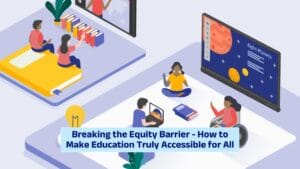
Education is the key to opportunity. Let’s not deny it to those who need it most. Breaking the barriers isn’t just about access—it’s about dignity, equity, and the chance to reach one’s full potential.
FAQs
Why do disabled children lack access to education?
Barriers like inaccessible schools, stigma, and lack of support.
What is inclusive education?
It’s a system that adapts to the needs of all students.
How can schools be more inclusive?
Through training, accessibility, and supportive tools.
What role does technology play?
Assistive tools help children learn at their own pace.
Can inclusive education help all students?
Yes, it promotes empathy and improves learning for everyone.