When students drop out of school, it’s rarely because they just don’t feel like going. It’s usually a mix of problems—family issues, financial stress, mental health challenges, or even bullying. Dropping out can feel like the end of the road, but it doesn’t have to be.
That’s where local volunteers step in. They’re the unsung heroes who can provide support, encouragement, and guidance. Let’s look into how everyday people in local communities can change the game for school dropouts.
Knowing
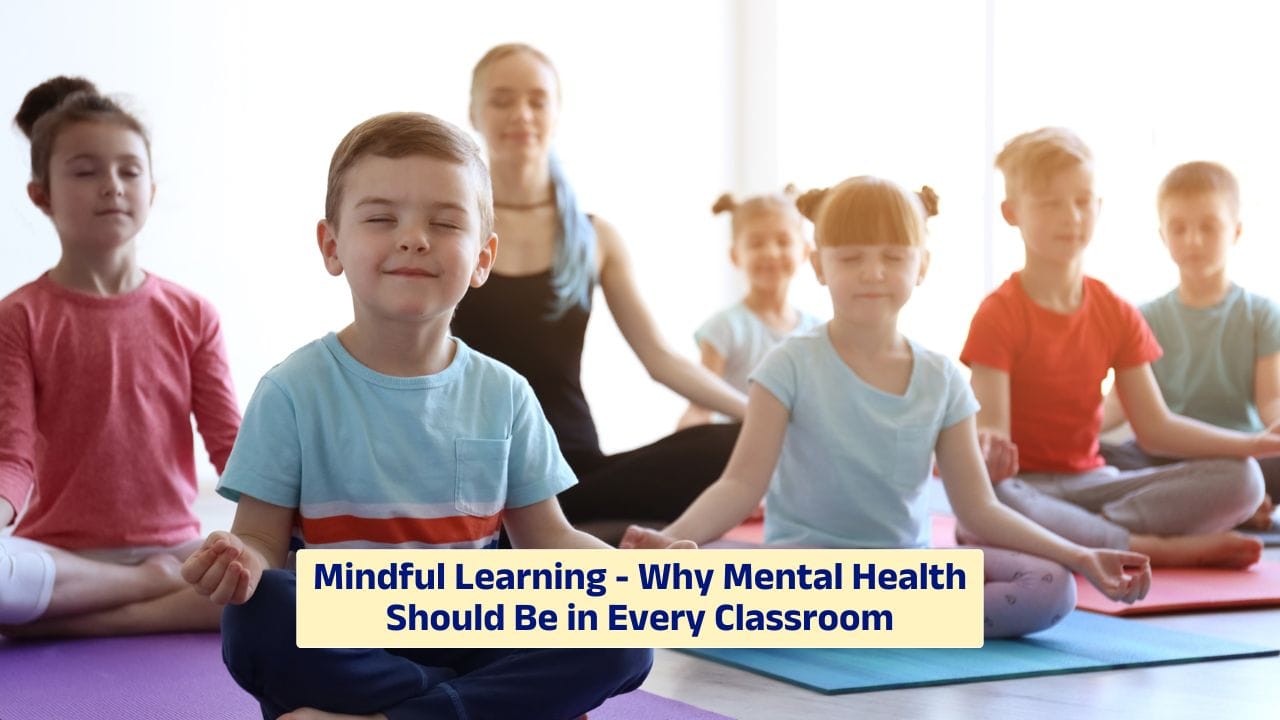
First, it helps to know why students leave school in the first place. The reasons vary, but common ones include poverty, lack of family support, learning difficulties, and unsafe school environments. Some students need to work to support their families, while others struggle with mental health or simply feel like they don’t belong.
Local volunteers don’t need to solve every problem—but by understanding these root causes, they can approach the issue with empathy and patience. Sometimes, just knowing someone cares makes a world of difference.
Mentoring
One of the most powerful ways volunteers can help is through mentoring. Imagine a young person who’s lost confidence, unsure of what comes next. A mentor can be a role model, a listening ear, and a source of encouragement.
Mentors don’t need to be experts. They just need to show up consistently, talk, listen, and offer support. Whether it’s helping with job applications, exploring future education options, or just sharing life advice, mentorship can steer dropouts back toward progress.
Tutoring
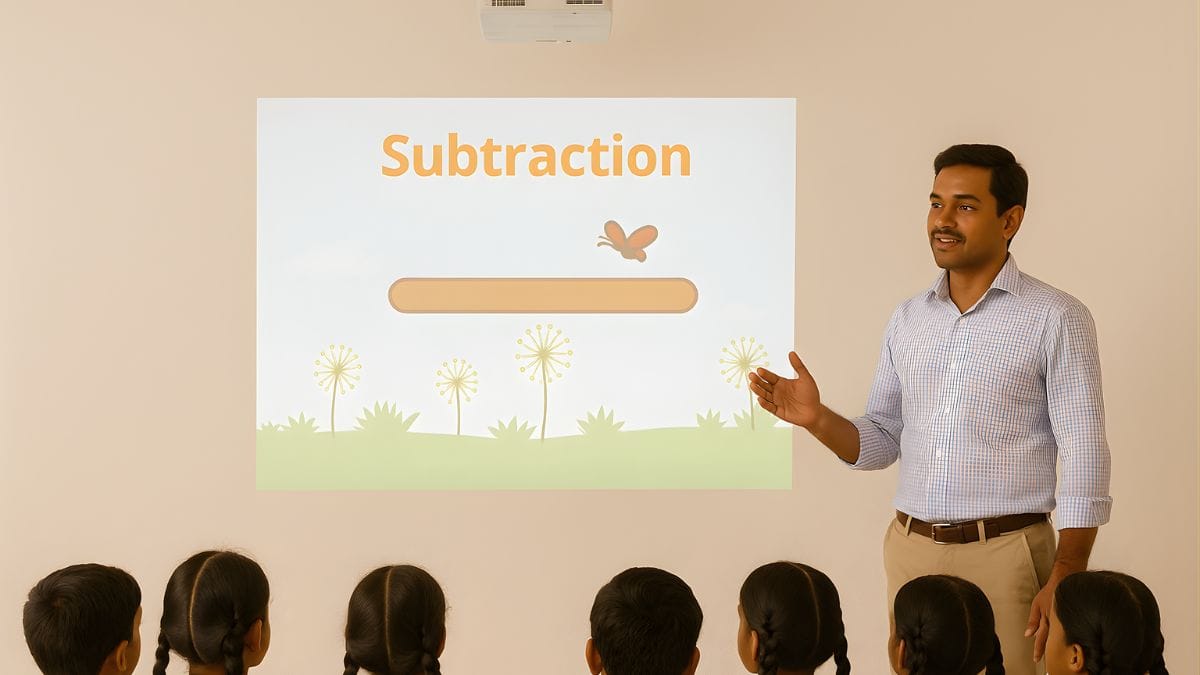
Some students drop out simply because they fall behind academically and can’t catch up. That’s where tutoring comes in. Volunteers with knowledge in subjects like math, reading, or science can offer one-on-one support to help students bridge those learning gaps.
Tutoring sessions don’t have to be formal. Even a few hours a week at a library or community center can help a student get back on track. And when a student starts to see they can learn and succeed, their motivation often returns.
Life Skills
School teaches academics, but it often misses practical life skills. Local volunteers can step in to teach everything from budgeting to job readiness. These skills build confidence and prepare students for the real world, which can be more motivating than textbooks ever were.
Here’s a look at a few skills volunteers can teach:

| Life Skill | Benefit to Student |
|---|---|
| Budgeting | Manages money from part-time jobs |
| Resume Writing | Increases job opportunities |
| Time Management | Helps juggle work and studies |
| Interview Practice | Builds confidence and communication |
| Goal Setting | Creates a clear path forward |
These small sessions can build big confidence over time.
Programs
Volunteers can also help build or run community-based programs. Think homework clubs, youth groups, career workshops, or even sports and arts events. These programs give dropouts a safe place to grow, socialize, and learn skills they missed in school.
Community centers, churches, and nonprofits are often open to partnerships. If you’re passionate about helping, starting or supporting a local initiative can reach more students than you’d imagine.
Resources
Sometimes, students drop out because they lack access to basic needs—food, clothes, transport, or internet access. Volunteers can organize drives, donate supplies, or help connect students to support services. Even something as simple as offering a ride to a training program or bringing in school supplies can remove a big barrier.
Volunteers don’t always need to give money—they can give time, creativity, and connections. Knowing where to find help and guiding a student to it can open up options they never knew existed.

Advocacy
Volunteers also play a vital role as advocates. By speaking up at school meetings, town halls, or in local media, they can raise awareness about dropout issues. Advocacy helps shift the conversation from blame to solutions.
It’s not just about helping individual students—it’s about changing systems so that fewer students fall through the cracks in the first place.
Encouragement
Finally, volunteers offer what many dropouts are missing: encouragement. Words of support, belief in potential, and simple check-ins can go a long way. Sometimes students just need one person who sees something in them they can’t see in themselves.
When volunteers show up consistently, they send a message: you matter, and we haven’t given up on you.
Dropping out of school doesn’t mean dropping out of life. Local volunteers have the power to help students find a new path—whether through mentoring, tutoring, life skills, or just a kind word at the right time. When communities care, students thrive. It doesn’t take a big budget or a fancy program—just people who show up, give their time, and believe in second chances.
FAQs
Why do students drop out?
Poverty, family issues, mental health, and lack of support.
How can volunteers help dropouts?
By mentoring, tutoring, and teaching life skills.
Do volunteers need special training?
No, just patience, empathy, and commitment.
What life skills can be taught?
Budgeting, resume writing, goal setting, and more.
Where can I volunteer locally?
Community centers, schools, churches, and nonprofits.