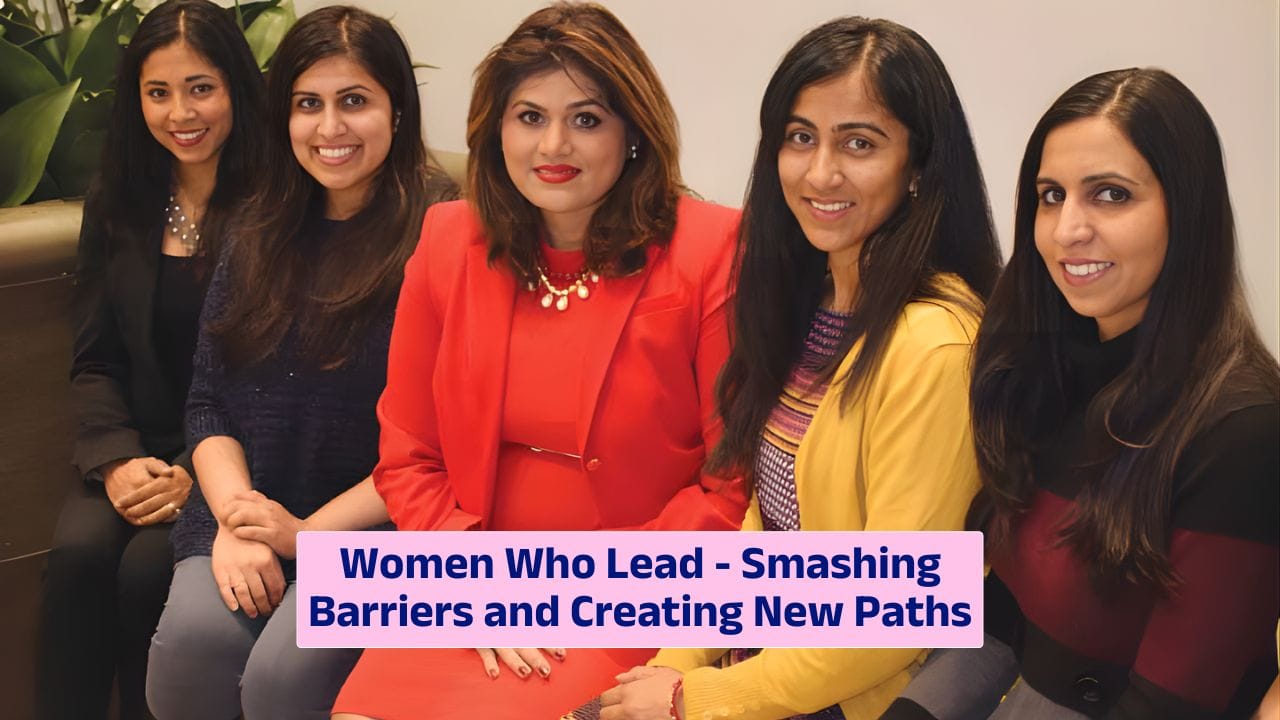
Leadership doesn’t look like it used to—and that’s a good thing. More women are stepping into leadership roles across every industry, bringing fresh ideas, empathy, and resilience to the table. But it hasn’t been easy.
These women are not just climbing ladders—they’re rebuilding them so others can follow. This shift is about more than just representation. It’s about redefining leadership itself.
History
For generations, leadership was seen as a man’s game. Women faced limited opportunities, social expectations, and outright discrimination. But slowly, and with determination, women began to challenge the norms. From suffragettes to CEOs, their journeys paved the way for the leaders we see today. History reminds us how far we’ve come—and why we can’t stop now.
Challenges
Despite progress, women in leadership still face unique hurdles. Gender bias, pay gaps, work-life balance struggles, and limited access to mentors are just a few. Many women leaders report being held to higher standards or having their ideas overlooked in meetings. These challenges don’t define women leaders—but they do shape their paths, often making them more determined and innovative.
Traits
Women bring powerful leadership traits that are transforming workplaces. Empathy, collaboration, adaptability, and emotional intelligence are just some of the strengths women often lead with. These qualities are especially valuable in today’s complex, fast-changing world. Leadership is no longer about commanding—it’s about connecting, and women are naturally wired for that.

Representation
Seeing women in top roles matters. It shows young girls what’s possible. It also changes perceptions in the boardroom and beyond.
More women are now leading Fortune 500 companies, heading governments, and founding startups. But the numbers still have room to grow. Representation isn’t about checking a box—it’s about making leadership reflect the real world.
Mentorship
One way women are breaking barriers is by lifting others up. Mentorship and sponsorship play a huge role in creating space for new leaders. Women who have made it to the top are now guiding others, sharing what they’ve learned, and opening doors. That’s how bridges get built—not by walking alone, but by reaching back and pulling others forward.
Innovation
Women leaders are often changemakers. They challenge the status quo, ask different questions, and offer fresh perspectives. In industries from tech to healthcare to politics, women are leading innovation. Their approach often blends creativity with compassion, making decisions that serve both people and progress.
Balance
Work-life balance isn’t just a women’s issue, but women leaders have pushed it into the spotlight. They are advocating for flexible work policies, family leave, and mental health support. By doing so, they are helping to create workplaces that work better for everyone—not just women.

Future
The future of leadership is inclusive. As more women rise, the definition of success is evolving. Power is no longer just about control—it’s about impact. Women are leading with purpose, prioritizing sustainability, equity, and long-term thinking. And when leadership reflects diverse voices, everyone benefits.
Here’s a look at how leadership is evolving with more women at the helm:
| Area of Leadership | Traditional Focus | Women-Led Shift |
|---|---|---|
| Decision-making | Top-down | Collaborative |
| Communication | Directive | Empathetic |
| Work culture | Competitive | Inclusive |
| Success metrics | Profit-only | Impact-driven |
| Team dynamics | Hierarchical | Supportive and agile |
Women who lead are not just rising through the ranks—they are changing the system itself. By breaking barriers and building bridges, they are creating a world where leadership is more inclusive, more compassionate, and more effective. The journey is far from over, but every step forward makes it easier for the next generation to rise.
FAQs
Why is women’s leadership important?
It brings diverse ideas and inclusive decision-making.
What challenges do women leaders face?
Bias, pay gaps, and limited access to mentorship.

How do women lead differently?
With empathy, collaboration, and emotional intelligence.
What industries have strong women leaders?
Tech, healthcare, politics, and education.
How can we support future women leaders?
Mentorship, equal pay, and inclusive policies.