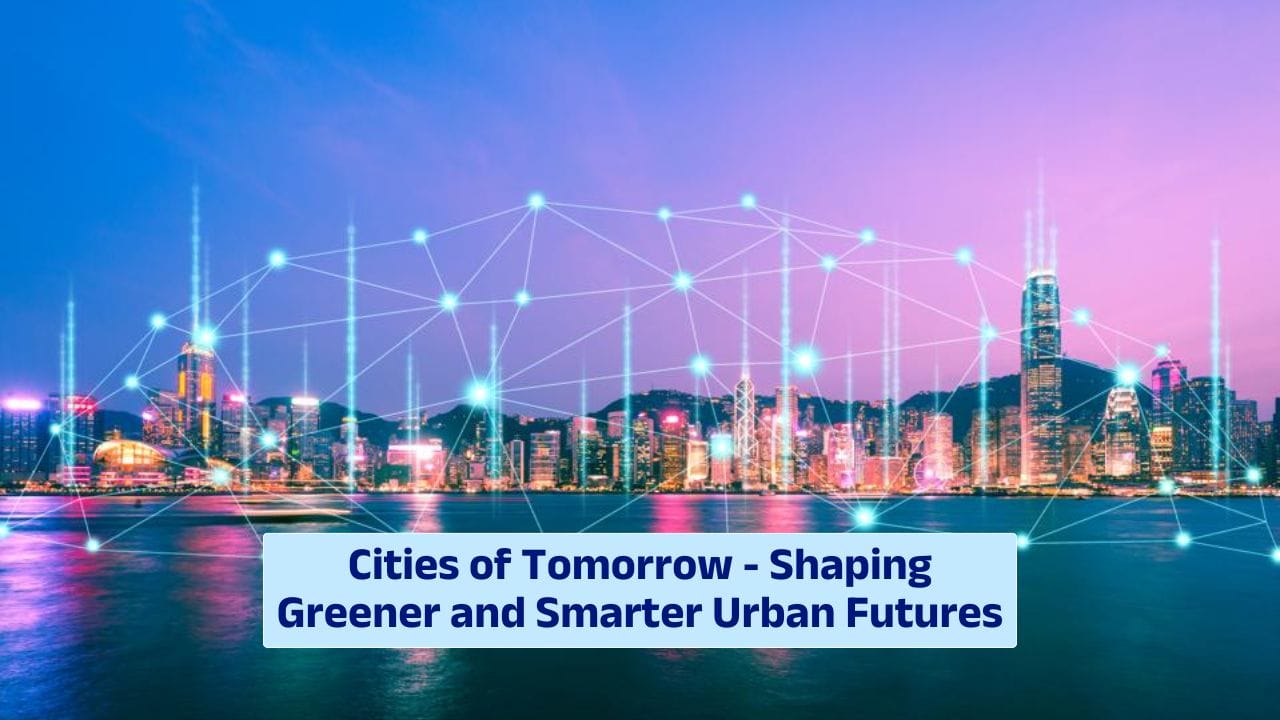
As the world’s population continues to grow, more people are moving into cities than ever before. But with urban growth comes a long list of challenges—overcrowding, pollution, traffic, waste, and a growing demand for energy and resources.
That’s where the concept of sustainable cities comes in. Cities of tomorrow aren’t just about skyscrapers and smart tech; they’re about designing places where people can live well without destroying the planet.
Vision
The future city isn’t a science fiction fantasy. It’s rooted in practical goals: reduce environmental impact, improve quality of life, and create economic opportunities for all. These cities are designed to be efficient, inclusive, and resilient. Think green roofs, solar panels, walkable neighborhoods, and public transport that actually works. It’s about building smarter, not bigger.
Mobility
Transportation is a big piece of the sustainability puzzle. Cities of tomorrow are moving away from car-dependency and toward greener alternatives. That includes bike lanes, electric buses, and ride-sharing systems. Even better? Many cities are integrating smart traffic systems that reduce congestion and pollution. Fewer cars, cleaner air, and healthier people.
Energy
Energy use in cities is massive, but the shift to renewable sources is changing the game. Solar panels on buildings, wind farms nearby, and energy-efficient infrastructure are becoming the norm.

Plus, smart grids help cities manage electricity better, reducing waste and cutting costs. Cities that embrace clean energy are not only helping the planet—they’re lowering utility bills and creating green jobs.
Waste
Tomorrow’s cities aim to be zero-waste. That means reducing what we throw away, reusing what we can, and recycling everything else. Composting food waste, banning single-use plastics, and turning trash into energy are already happening in many places. The key is designing systems where waste isn’t just managed but prevented altogether.
Housing
Affordable and eco-friendly housing is critical for any sustainable city. That includes using sustainable materials, better insulation, and renewable energy.
Urban planners are rethinking layouts to reduce urban sprawl and bring people closer to where they work and shop. Mixed-use buildings and co-living spaces are also part of the solution, blending community living with lower resource consumption.
Nature
Green spaces aren’t just nice—they’re essential. Parks, urban forests, rooftop gardens, and even vertical farms help cool down cities, clean the air, and give people room to breathe. In the city of tomorrow, nature is built into the infrastructure. It’s about living with nature, not against it.

Technology
Smart technology is the backbone of sustainable cities. From sensors that track air quality to apps that tell you the cleanest commute, technology helps cities run more efficiently.
AI and data analytics can predict traffic patterns, manage waste collection, and monitor energy use in real time. But it’s not tech for tech’s sake—it’s about using innovation to make everyday life better and more sustainable.
Equity
Sustainability means nothing if it isn’t shared. That’s why future cities must be inclusive. Everyone, regardless of income or background, should have access to clean air, safe housing, good jobs, and green space. This requires policies that prioritize equity—affordable transit, community programs, and support for underserved neighborhoods.
Resilience
Climate change is already testing cities with floods, heatwaves, and wildfires. Sustainable cities are designed to bounce back. That means stronger infrastructure, emergency preparedness, and systems that adapt to change. The goal is not just to survive disasters but to thrive in spite of them.
Here’s a quick overview comparing features of traditional cities and sustainable cities:

| Feature | Traditional City | Sustainable City |
|---|---|---|
| Transport | Car-dominated | Green, multi-modal |
| Energy | Fossil fuel-based | Renewable and efficient |
| Waste | Landfills | Zero-waste systems |
| Housing | Urban sprawl | Compact, green buildings |
| Nature integration | Limited parks | Urban forests, green roofs |
| Technology use | Basic infrastructure | Smart, connected systems |
| Inclusivity | Income-based gaps | Equitable access for all |
The cities of tomorrow are already starting to take shape. From Copenhagen to Singapore, forward-thinking urban design is proving that sustainability is not only possible—it’s necessary. And as citizens, planners, and businesses come together to reimagine how we live, the result will be cities that are not only smarter but also kinder to people and the planet.
FAQs
What is a sustainable city?
A city designed to balance people, planet, and economy.
How do cities reduce pollution?
By using clean energy, public transport, and green spaces.
Why is smart tech important for cities?
It helps manage energy, traffic, and resources efficiently.
Can cities be zero-waste?
Yes, through composting, recycling, and reducing waste.
How does equity fit into city planning?
It ensures all residents benefit from sustainable changes.