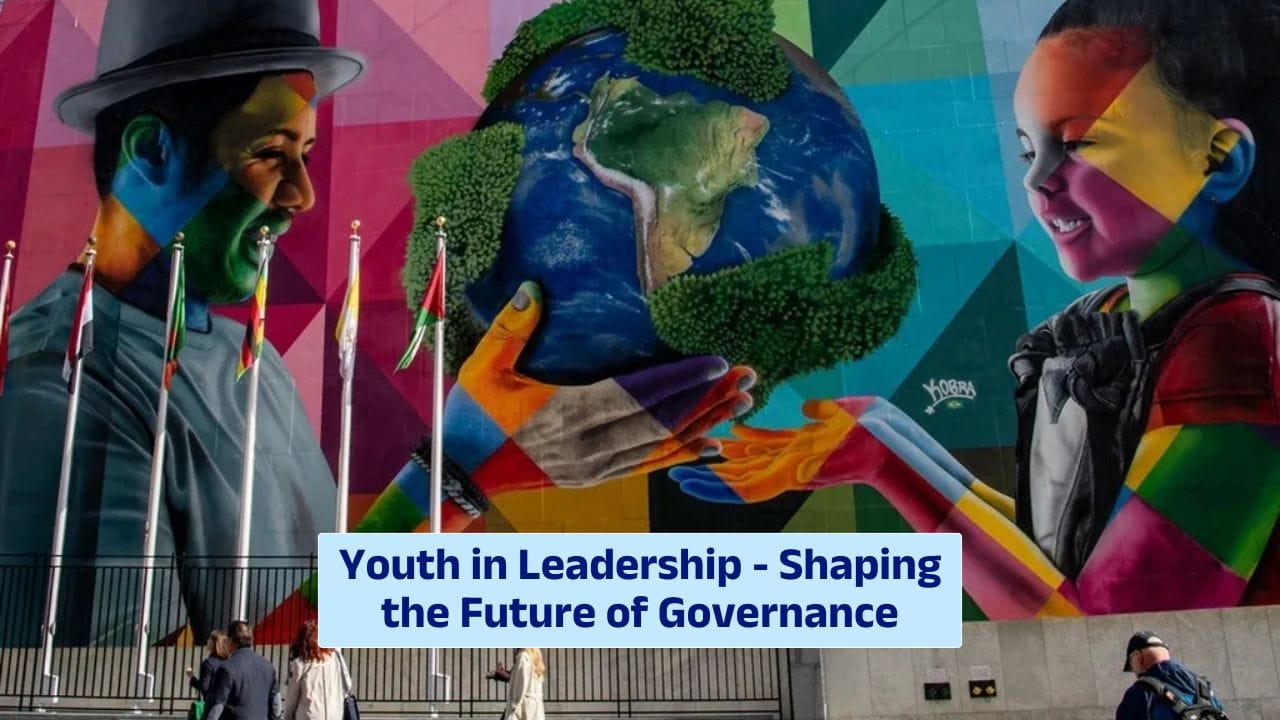
For decades, decisions about the future have been made without the people who will live in it the longest—young people. But that’s changing.
Across the globe, youth are stepping into leadership roles, challenging outdated systems, and bringing fresh perspectives to politics, policy, and public service. This shift isn’t just symbolic. Young leaders are actively redesigning the future of governance, and their time is now.
Movement
What’s behind this global rise of youth in politics and civic leadership?
First, it’s about urgency. Issues like climate change, digital rights, mental health, and education reform are hitting young people the hardest. Instead of waiting for change, they’re taking the reins.
Social media has also lowered the barrier to entry. With just a smartphone, youth can start movements, hold leaders accountable, and connect with like-minded changemakers worldwide. Visibility is power—and young people are using it wisely.

Representation
Governance affects everyone, but not everyone gets a seat at the table. Young people, especially from marginalized communities, have often been excluded from decision-making processes.
Now, youth leaders are demanding more than a voice. They want a vote. They want policy power. Whether it’s serving on school boards, running for local office, or launching civic tech platforms, young leaders are showing that age does not limit capability.
And when youth are represented, the policies tend to be more inclusive, forward-thinking, and reflective of today’s realities.
Innovation
Young leaders aren’t just joining old systems—they’re reimagining them.
They’re using technology to increase transparency, blockchain for voting systems, and data tools to measure impact. They’re turning town halls into Instagram Lives and turning civic education into TikTok series.

This isn’t about gimmicks. It’s about meeting people where they are and making governance more engaging, efficient, and accessible.
Collaboration
Youth governance isn’t about working alone—it’s about building bridges.
Young leaders are often more open to collaboration across age groups, cultures, and sectors. They value partnerships with NGOs, governments, startups, and citizen groups. They know that no one fixes a broken system alone.
By working across traditional divides, youth bring a more cooperative, less combative style of leadership—one rooted in shared goals and mutual respect.
Education
The rise of youth in governance also ties back to a shift in how leadership is taught. Schools and programs now emphasize civic engagement, critical thinking, and community involvement from an early age.

From model UNs to student councils to social impact incubators, today’s youth are practicing leadership long before they enter formal politics. They’re not waiting to grow up to make a difference—they’re growing through making a difference.
Impact
And the results speak for themselves.
Youth-led climate protests have changed environmental policy. Student activists have sparked education reform. Young digital entrepreneurs have launched apps to help citizens report corruption or understand their rights.
These aren’t one-off wins. They’re signs that youth-led governance can be smart, scalable, and sustainable.
Here’s a quick comparison showing how youth governance differs from traditional models:
| Leadership Style | Traditional Governance | Youth-Led Governance |
|---|---|---|
| Decision-making | Hierarchical | Collaborative and participatory |
| Tools | Formal meetings, paper trails | Digital platforms, open data |
| Focus Areas | Economy, defense, policy | Climate, tech, equity, education |
| Communication | Speeches, press conferences | Reels, livestreams, social posts |
Future
What does the future look like with youth in power?
More inclusive policies. Smarter use of technology. Greater public engagement. Youth leaders are building governments that look more like the communities they serve—diverse, dynamic, and driven by purpose.
But they need support. Mentorship, resources, and trust from older generations can go a long way. Instead of gatekeeping, adults can guide and empower young leaders to succeed.
When youth rise, we all rise. Because a system that includes young people isn’t just more fair—it’s more future-ready. The world is changing fast, and it’s clear who’s ready to lead that change.
FAQs
Why is youth leadership important?
It brings fresh ideas, urgency, and inclusive governance.
How do youth influence governance?
They lead movements, hold office, and shape policy.
What tools do young leaders use?
Digital platforms, social media, and civic tech tools.
Can youth lead real change?
Yes, they’ve already influenced global policy and reform.
How can adults support youth leaders?
By mentoring, funding, and creating space for leadership.