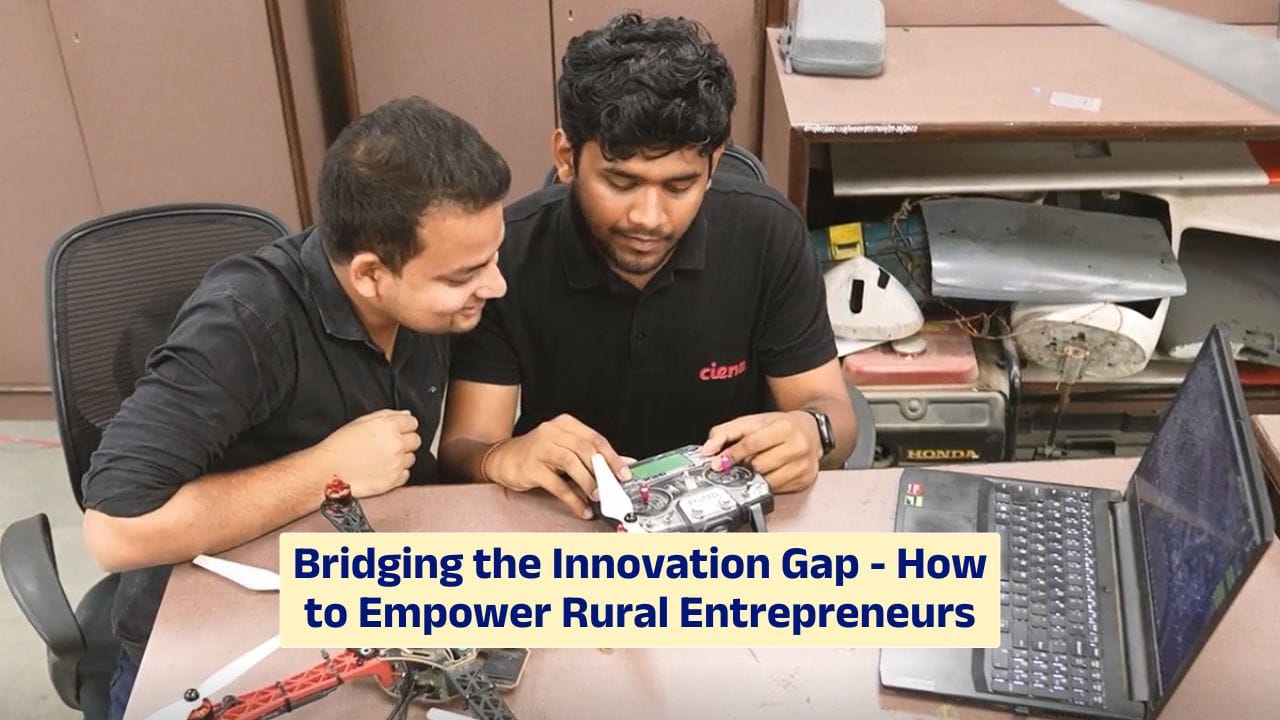
When we think of innovation, most people picture tech hubs, glass-walled offices, and fast-paced cities. But there’s a growing wave of creative problem-solvers in places you might not expect—rural areas.
These small-town visionaries have ideas that can change lives, yet they often face an uphill battle. Why? Because there’s an innovation gap. It’s not about lack of talent. It’s about lack of access. So how can we empower rural entrepreneurs and unlock their full potential? Let’s take a closer look.
Challenges
Rural entrepreneurs often face barriers that their urban counterparts don’t. Limited internet access, lack of funding, fewer mentorship opportunities, and weak infrastructure can all get in the way of building a successful business.
Add in the distance from urban markets, and it’s no surprise that many rural startups struggle to scale. Even great ideas can get stuck if there’s no ecosystem to support them.
It’s not about a shortage of ambition—it’s about a shortage of resources.

Talent
Here’s what often gets overlooked: rural communities are full of skilled, creative, and hardworking people. Farmers invent new irrigation tools. Local artisans build eco-friendly products. Young people use mobile phones to sell crafts or offer services.
They’re already innovating—but they need the right tools to grow their ideas into sustainable ventures. The potential is there; it just needs to be tapped.
Connectivity
A strong internet connection might seem basic, but it’s one of the biggest game-changers for rural entrepreneurs. Reliable access means more than just emails—it opens doors to e-commerce, remote mentorship, online learning, and marketing.
With digital tools, a rural business can reach global markets from a remote village. That’s powerful. Investing in rural connectivity is investing in rural innovation.
Funding
Access to capital is another major hurdle. Traditional banks often hesitate to lend to small, rural startups due to perceived risk or lack of collateral.

That’s where microfinance, impact investing, and government grants come in. These alternatives can help rural entrepreneurs launch or scale their businesses without jumping through impossible hoops.
There’s also a need for more local funding networks—community-based investments that keep money circulating in the region.
Mentorship
Starting a business is tough, especially when you’re doing it alone. Many rural entrepreneurs don’t have access to experienced mentors or business development programs.
Mentorship provides guidance, encouragement, and real-world advice that can be the difference between success and failure. Virtual mentoring platforms and rural accelerator programs can bridge this gap by connecting aspiring entrepreneurs with experienced professionals worldwide.
Infrastructure
Even the best ideas need a strong foundation. Without reliable roads, electricity, logistics, and local supply chains, businesses struggle to operate efficiently.

Governments and private partners must prioritize rural infrastructure if they want to see lasting entrepreneurial growth. Infrastructure isn’t just physical—it also includes access to training, technology, and support services.
Innovation
Innovation in rural areas often looks different—but that’s the beauty of it. It’s practical, rooted in community, and often focused on solving real-world problems.
Take clean energy, for example. Rural entrepreneurs might develop solar-powered solutions to power remote farms or homes. Others might use agri-tech to improve crop yields or create mobile services that connect local sellers with urban buyers.
These are not just side projects—they’re solutions that could scale nationally or globally.
Here’s a quick look at the differences and strengths of rural vs. urban innovation:
| Area | Urban Innovation | Rural Innovation |
|---|---|---|
| Focus | Tech, digital services | Agriculture, energy, local commerce |
| Speed | Fast-paced | Steady and adaptive |
| Resources | More access to capital/mentors | More limited, but resourceful |
| Impact | Often large-scale and global | Local first, with global potential |
Community
Rural entrepreneurship is deeply community-driven. Success isn’t just measured in profits, but in how a business supports local families, creates jobs, and strengthens cultural roots.
This sense of social responsibility often drives rural businesses to be more sustainable and inclusive. By empowering rural entrepreneurs, we’re not just growing businesses—we’re growing entire communities.
Solutions
To truly empower rural entrepreneurs, a few key changes are needed:
- Improve internet infrastructure and access
- Expand funding through grants, microloans, and impact investors
- Launch rural-focused business training and mentorship programs
- Promote rural innovation through storytelling and media
- Encourage partnerships between cities and rural innovators
With the right support, rural entrepreneurs can close the innovation gap—and maybe even lead the next wave of meaningful change.
Innovation doesn’t only live in cities. It lives on farms, in small workshops, and in the hands of people who see problems not as barriers, but as opportunities. The sooner we recognize and support that, the better off we’ll all be.
FAQs
What is the innovation gap?
It’s the lack of access to tools, funding, and support in rural areas.
Why is internet access important?
It enables e-commerce, learning, and global market reach for businesses.
How can rural startups get funding?
Through microloans, grants, and local investment networks.
What makes rural innovation unique?
It solves local problems with practical, community-based solutions.
How can mentorship help entrepreneurs?
It provides guidance, confidence, and business-building support.