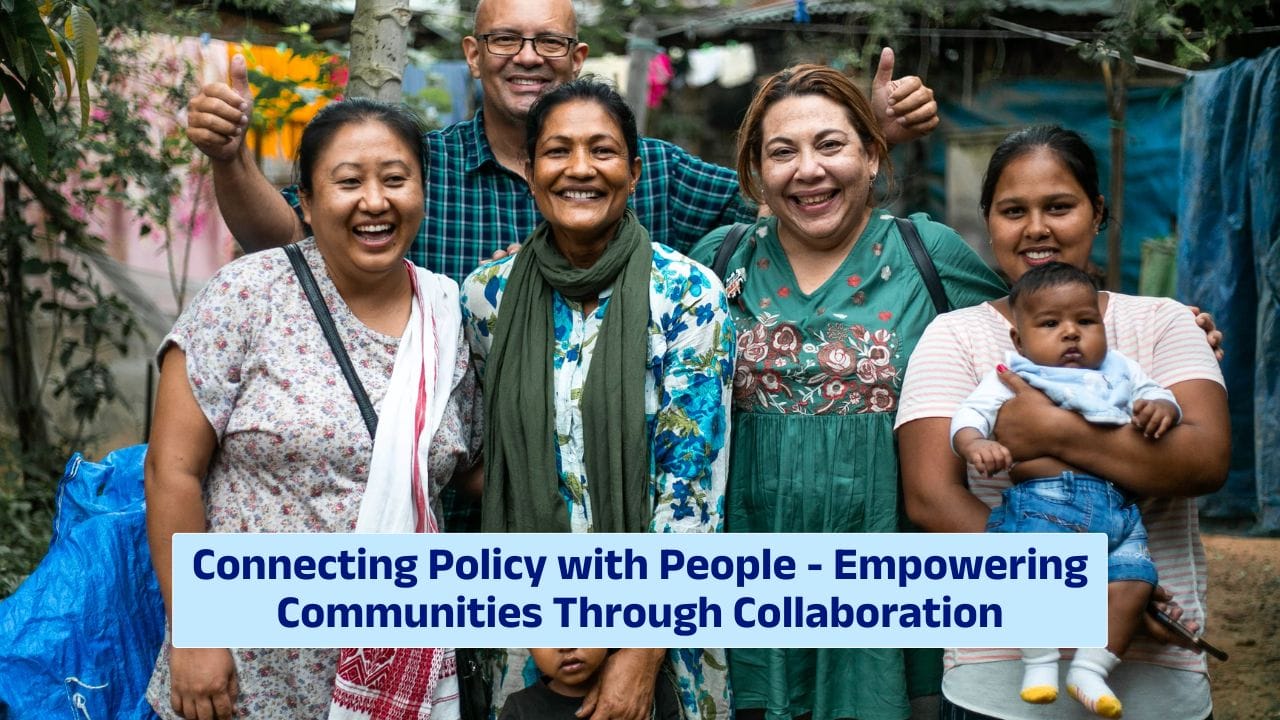
Policies shape societies, but they often feel distant and disconnected from everyday life. That’s where collaboration comes in—bringing policymakers, communities, and organizations together to create real, people-centered change.
When those who create policies work hand-in-hand with those affected by them, something powerful happens: trust is built, voices are heard, and solutions actually work. Bridging policy and people isn’t just a nice idea—it’s the key to meaningful, lasting empowerment.
Gap
There’s often a wide gap between policy decisions and the people those decisions impact. Policies are made in government offices, but their effects are felt in schools, clinics, homes, and neighborhoods. Without input from communities, even well-intended policies can miss the mark or go unused.
People might not understand the policies meant to help them, or worse, they may feel excluded from the process altogether. This disconnect can lead to mistrust, inefficiency, and inequality. Closing that gap requires dialogue, transparency, and collaboration.
Collaboration
Collaboration is about breaking down silos and creating shared ownership of outcomes. It’s not just top-down decision-making. It’s about bringing together governments, NGOs, local leaders, community members, and even businesses to work toward common goals.

Examples of collaborative approaches include:
- Community consultations before passing laws
- Co-designing programs with local residents
- Public-private partnerships for health or education projects
- Citizen advisory councils for policy feedback
- Data sharing between agencies and communities
When people are part of the process, they’re more likely to trust and support the outcome.
Empowerment
At the heart of collaboration is empowerment. When people are included in shaping policies that affect them, they gain a sense of control and ownership. It turns passive recipients of aid into active contributors of change.
Empowered communities:
- Speak up about their needs
- Hold leaders accountable
- Offer local knowledge and insights
- Build stronger networks and solutions
- Sustain change even after official programs end
Empowerment isn’t about handing over control. It’s about sharing it, and recognizing that people closest to the issue often have the best ideas for solving it.

Success
There are countless examples around the world where collaborative policymaking has delivered results.
| Country/Region | Collaborative Policy Outcome |
|---|---|
| Brazil | Participatory budgeting in local cities |
| Kenya | Community health workers co-design plans |
| Canada | Indigenous communities lead education reform |
| India | Women’s self-help groups shape rural programs |
| USA | Neighborhood councils advise city planning |
These examples show that when communities are invited in, policies become more relevant, inclusive, and sustainable.
Challenges
Of course, collaboration isn’t always easy. It takes time, trust, and a willingness to listen. Policymakers may worry about delays or losing control. Communities might fear that their input won’t be taken seriously.
Other common challenges include:
- Lack of funding for participatory programs
- Language or literacy barriers
- Power imbalances in the room
- Bureaucratic resistance to change
- Short-term political cycles vs long-term community needs
But these challenges can be overcome with commitment, training, and honest effort.

Tools
Effective collaboration depends on the right tools and approaches. That means using both traditional and modern methods to ensure everyone’s voice can be heard.
Helpful tools include:
- Town hall meetings and listening sessions
- Online surveys and digital engagement platforms
- Participatory mapping and planning tools
- Storytelling and community media
- Community liaisons or trusted local facilitators
Technology can help reach more people, but human connection is still at the core of good collaboration.
Future
As the world becomes more interconnected and complex, no single group has all the answers. The future of effective policy lies in shared leadership. Governments must become more responsive, communities more involved, and organizations more open.
Collaboration is no longer optional. It’s essential for building resilience, equity, and trust. And when done right, it doesn’t just create better policy—it transforms lives.
Policies shouldn’t be something that happen to people. They should happen with people. True empowerment begins when everyone has a seat at the table—and a voice that counts. That’s how we move from policy on paper to change in the real world.
FAQs
What does bridging policy and people mean?
It connects communities with decision-makers for better outcomes.
Why is collaboration important in policymaking?
It ensures policies reflect real community needs and input.
How can people participate in policy?
Through town halls, surveys, councils, and co-creation sessions.
What challenges limit collaboration?
Funding, time, bureaucracy, and power imbalances.
What’s the benefit of community input?
More effective, trusted, and sustainable solutions.