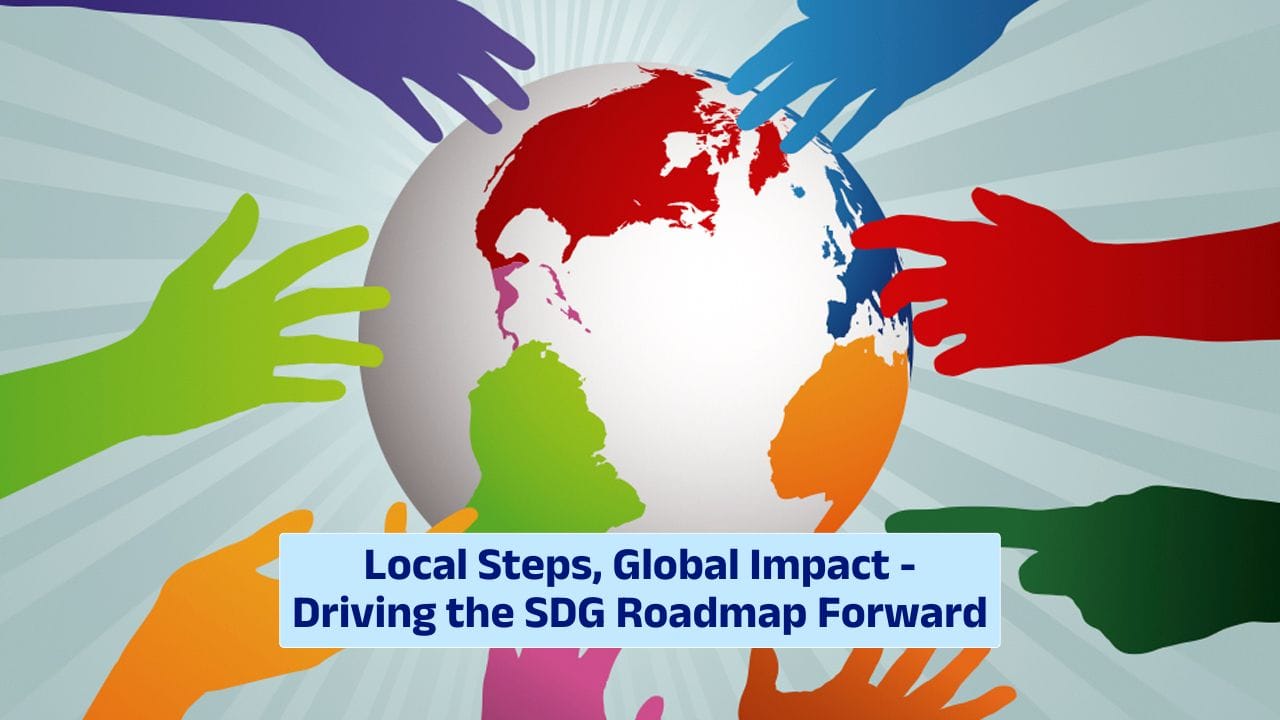
The Sustainable Development Goals—or SDGs—might sound like big ideas meant for global leaders. But here’s the truth: real progress starts at home, in our communities, workplaces, schools, and cities. Local action is the engine that powers global change. Whether it’s clean water in a village or climate awareness in a school, every small step brings us closer to a better world.
Set by the United Nations, the SDGs are 17 interconnected goals aimed at ending poverty, protecting the planet, and ensuring prosperity for all by 2030. Sounds ambitious, right? But these goals aren’t just for politicians and CEOs. They’re for everyone. And in 2025, more local initiatives than ever are stepping up to take the lead.
Let’s break down how local action is shaping global progress—and why your role matters more than you think.
Basics
First, a quick refresher. The SDGs cover a wide range of goals—from zero hunger to gender equality to climate action. Here’s a snapshot:
| SDG Goal Number | Focus Area |
|---|---|
| 1 | No Poverty |
| 3 | Good Health & Well-being |
| 4 | Quality Education |
| 5 | Gender Equality |
| 6 | Clean Water & Sanitation |
| 7 | Affordable Clean Energy |
| 13 | Climate Action |
| 17 | Partnerships for the Goals |
Each goal comes with specific targets and indicators. But hitting these marks requires more than global summits. It needs action on the ground.
Local
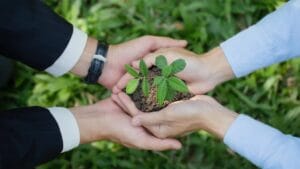
Here’s where it gets exciting: local governments, schools, small businesses, and community groups are finding creative ways to contribute to the SDGs in everyday life.
- A town in India implements a waste segregation system (SDG 13: Climate Action).
- A school in Kenya starts a girls-only coding class (SDG 5: Gender Equality).
- A small farm collective switches to organic methods (SDG 12: Responsible Consumption).
- A group of youth volunteers launch free tutoring in slums (SDG 4: Quality Education).
These are not massive projects with million-dollar budgets. They’re driven by people who care and take action where they are.
Power
Local action has real power. Why? Because it’s fast, flexible, and deeply connected to the community’s needs. Unlike large-scale policies that take years to implement, grassroots efforts can test, adapt, and evolve quickly.
They also create ripple effects. One clean-up drive can lead to regular eco-clubs. A small health camp might inspire a permanent clinic. And when people see change happening close to home, they’re more likely to get involved.
Partnerships
One of the most powerful SDGs is Goal 17—Partnerships. Nothing moves forward without collaboration. Local organizations are teaming up with governments, NGOs, schools, and even global networks to scale their impact.

Imagine a local bakery that hires only women from disadvantaged backgrounds (SDG 8: Decent Work). Now, pair that with a microfinance group and a skills training NGO, and suddenly it’s a sustainable livelihood model.
Partnerships turn ideas into systems. And systems create long-term change.
Measurement
Measuring local progress can feel tricky, but it’s crucial. That’s why more communities are tracking their impact using SDG indicators—things like school enrollment rates, energy usage, or access to clean water.
Many cities now publish “local SDG reports,” showing how they’re contributing to global progress. This transparency builds accountability and motivates continued effort.
Barriers
Of course, local efforts face challenges too. Funding is often limited. Awareness is low in some areas. And without government support, it’s hard to scale.
But even then, the determination of local changemakers shines through. They work with what they have. They crowdsource resources. They build movements, not just programs.
The most powerful thing about local SDG work? It turns ordinary people into problem-solvers.
Action
Want to contribute to the SDG roadmap from where you are? Here’s how to start:
- Pick a goal that resonates with you
- Identify a need in your community
- Start small—a campaign, event, or group
- Collaborate with local stakeholders
- Track and share your impact
Remember, change doesn’t have to be huge to be meaningful. Local action, when multiplied, becomes global momentum.
2025 is proof that progress isn’t just coming from the top—it’s rising from the grassroots. From a city recycling project to a school meal program, every act adds up. The SDG roadmap isn’t just a plan. It’s a shared journey. And your steps matter more than you know.
FAQs
What are the SDGs?
The Sustainable Development Goals are 17 global targets for a better world.
Can local actions support SDGs?
Yes, small local efforts directly contribute to global progress.
Who can work on SDG goals?
Everyone—individuals, schools, businesses, and local governments.
Why is local SDG work important?
It’s faster, community-driven, and creates visible impact.
How do I get involved in SDGs?
Start with a local issue, take action, and partner with others.