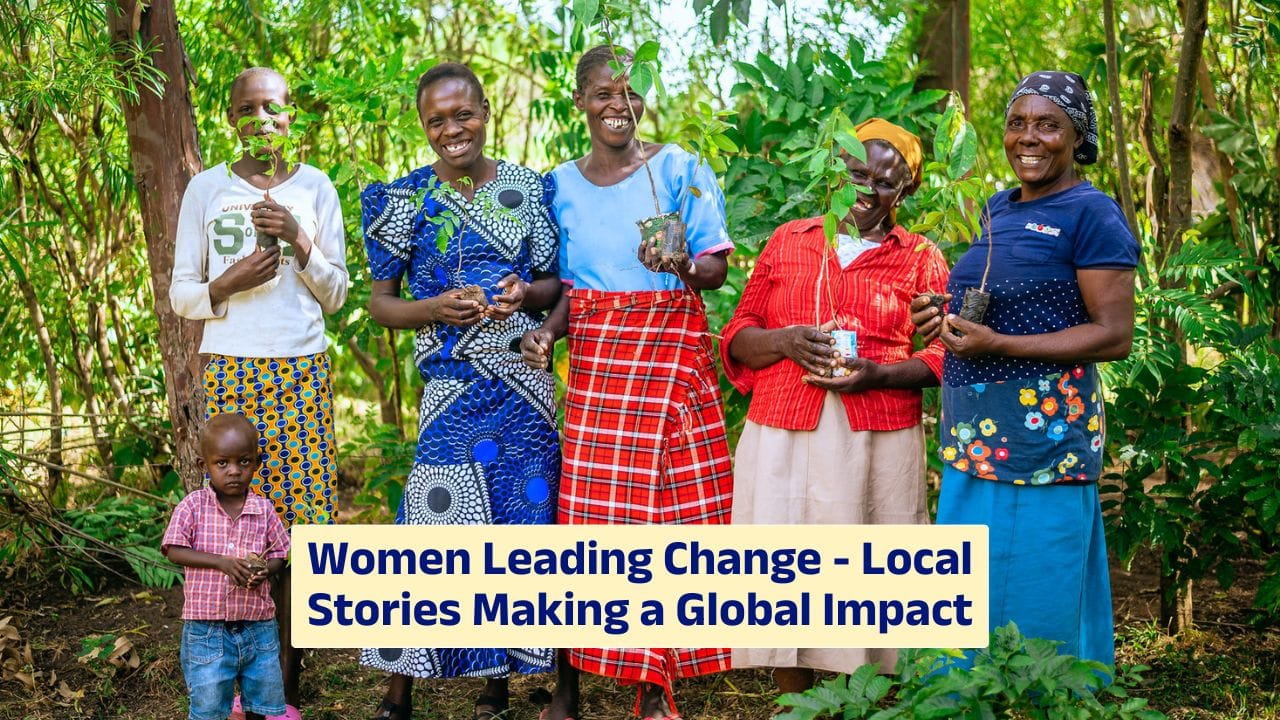
In every corner of the world, women are stepping up, speaking out, and changing lives—not just their own, but entire communities. From remote villages to bustling cities, they’re leading with purpose, courage, and care.
These are not always headline-making heroes. They’re local leaders, mothers, entrepreneurs, teachers, and organizers. Their stories may begin quietly, but the ripples they create can spark lasting change. In 2025, the rise of grassroots women’s leadership is not just inspiring—it’s transforming how we think about power, progress, and impact.
Roots
True leadership often starts with a personal struggle. Many women who lead today were once the ones left unheard. They faced poverty, gender bias, or violence. But instead of breaking down, they broke through.
Take the story of a rural health worker in India who, after losing her sister to childbirth complications, began educating village women about maternal care. Or the woman in Kenya who started a girls’ football club to fight child marriage and boost school enrollment. These stories are rooted in lived experience—and that’s what makes the leadership authentic and powerful.
Roles
Women are leading in every role you can imagine—some traditional, others trailblazing. From managing farms to building cooperatives, from teaching coding classes to running city councils, their influence is growing.

Here’s a quick look at the various roles women are leading in 2025:
| Role | Example of Impact |
|---|---|
| Community Health Worker | Reducing maternal mortality |
| Farmer Co-op Leader | Boosting food security and income |
| Local Councillor | Passing gender-equal policy |
| Tech Trainer | Teaching digital skills to young girls |
| Crisis Responder | Coordinating emergency relief efforts |
Each of these roles may seem small, but when multiplied across thousands of communities, they add up to massive change.
Support
Leadership doesn’t grow in isolation. Behind every rising woman is often a support system—other women, families, mentors, or networks that cheer her on and push her forward.
Women’s self-help groups, peer mentoring programs, and leadership circles are giving women the confidence and tools to speak up. Online platforms have also made it easier to share resources, access training, and connect with allies worldwide.
Government schemes and NGO efforts are providing microloans, legal support, and capacity-building workshops focused on women-led initiatives. This mix of local and global support is helping women sustain their efforts long after the headlines fade.

Impact
The change women bring is often deeply rooted and long-lasting. That’s because their leadership tends to focus on long-term community wellbeing, not just quick wins. They’re driven by empathy, collaboration, and resilience.
Studies show that when women lead local projects—whether it’s water access, education, or climate action—results are often more inclusive and sustainable. They’re more likely to reinvest in their families and communities. They prioritize health, education, and harmony.
And let’s not forget the power of role modeling. A girl who sees a woman in charge is more likely to believe she can lead too. That alone is powerful.
Barriers
Of course, women leaders still face huge challenges. Cultural bias, unpaid care work, lack of safety, and limited access to funding or resources all stand in the way. In some regions, simply stepping into a leadership role comes with social backlash or threats.
But the difference now is that women are not backing down. They are organizing, resisting, and innovating to push through these barriers. Some are using storytelling to shift mindsets. Others are leveraging digital tools to create safer spaces and mobilize support.

Future
The rise of women leaders at the local level is no longer a trend—it’s a movement. And it’s shaping the future of leadership itself. No longer top-down, leadership is becoming more inclusive, empathetic, and grounded in lived experience.
Imagine a world where every girl grows up seeing leadership not as something rare or out of reach, but something normal—something expected. That future is being built today, by women on the ground, in small steps with huge impact.
If we want lasting change, we need to keep lifting these stories, these voices, and these leaders. Because when women rise, communities rise with them.
FAQs
What defines a local woman leader?
A woman making impact in her community, often without titles.
Why is women’s leadership important?
It leads to more inclusive, sustainable community solutions.
What support do women leaders need?
Training, funding, safety, mentorship, and peer networks.
Are women leading in rural areas too?
Yes, many are driving change in health, farming, and education.
How can I support women leaders?
Listen, donate, share their stories, or volunteer your time.